




Get a Quote
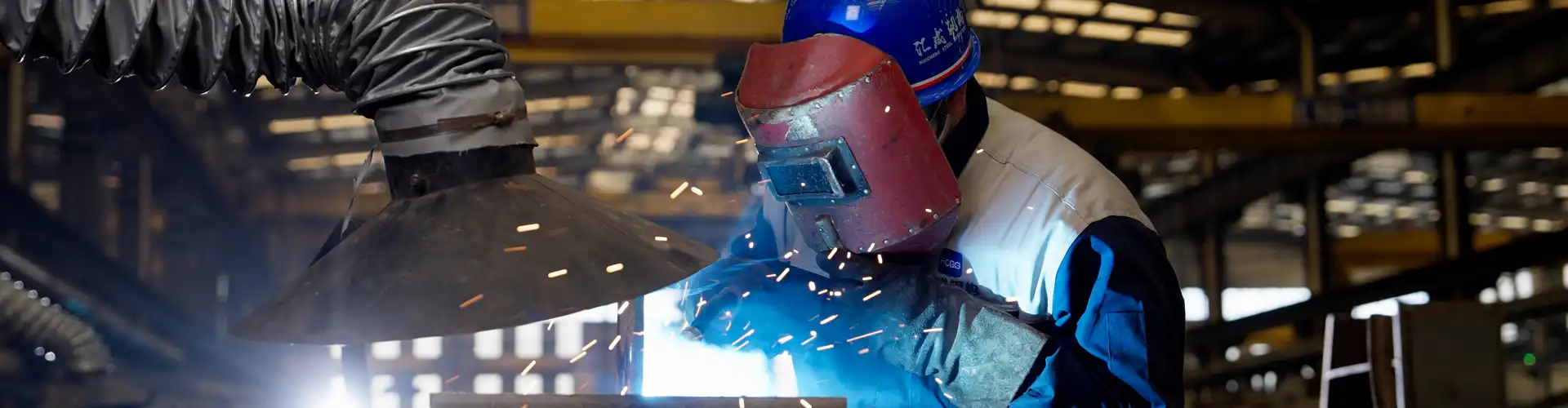
In today’s manufacturing environment, where efficiency and scalability directly impact profitability, prefabricated steel factory buildings have become a mainstream solution for industrial construction projects. Compared with conventional cast-in-place construction methods, prefabrication enables a higher level of precision, significantly shorter project timelines, and more predictable cost control.
However, many project owners underestimate a critical factor: the performance of a prefabricated steel structure depends not only on design and fabrication quality, but also heavily on the installation process on-site. Even minor deviations during installation can lead to structural misalignment, leakage issues, or long-term maintenance risks.
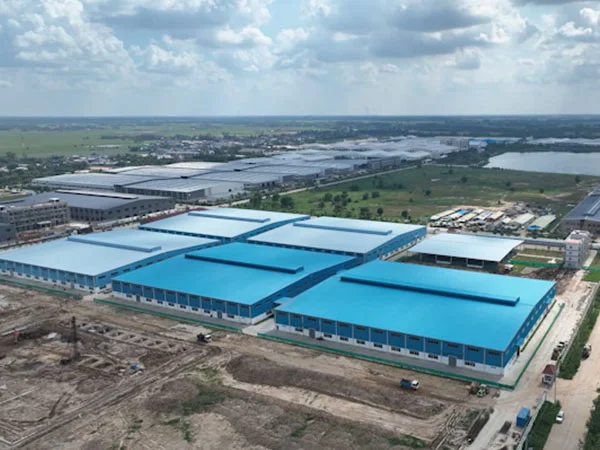
Drawing on practical engineering experience and industry-standard procedures, this guide provides a detailed, step-by-step overview of how to correctly install prefabricated steel factory components, helping project managers, contractors, and procurement teams ensure both structural safety and long-term operational reliability.
Before any physical work begins, a well-structured planning phase determines whether the entire installation process will proceed efficiently or encounter repeated delays.
Project Drawing Review and Technical Alignment
All stakeholders—including structural engineers, installation teams, and project supervisors—should conduct a thorough review of construction drawings. This includes checking load calculations, connection details, and installation sequences. Any discrepancies between fabrication drawings and site conditions must be resolved in advance to avoid costly modifications later.
Site Condition Verification
A detailed site inspection should focus on:
Soil bearing capacity and compaction level
Groundwater conditions and drainage systems
Accessibility for heavy lifting equipment
Poor site preparation is one of the most common causes of structural settlement and corrosion problems in steel factory buildings.
Component Inspection and Inventory Control
Upon delivery, every prefabricated component should be inspected against the packing list. Special attention should be given to:
Dimensional accuracy
Surface coating integrity (anti-corrosion layers)
Bolt and connection system completeness
Establishing a clear inventory management system reduces downtime caused by missing or misplaced components.
Safety System Setup
A professional installation environment requires:
Clearly defined safety zones
Mandatory PPE usage (helmets, harnesses, gloves)
Equipment inspection protocols
Projects that implement strict safety management from the beginning tend to maintain higher efficiency and fewer interruptions.
The foundation is not merely a supporting base—it is the critical interface that transfers all structural loads to the ground. Any error at this stage can propagate throughout the entire building.
Excavation and Base Preparation
Excavation depth must strictly follow engineering specifications. After excavation, the base should be compacted and leveled to eliminate uneven settlement risks.
Reinforcement and Formwork Installation
Steel reinforcement bars must be arranged according to structural load requirements. Proper spacing and binding techniques ensure the foundation can withstand both vertical and lateral forces.
Concrete Pouring and Curing
High-grade concrete should be poured continuously to avoid cold joints. Equally important is the curing process, which must be maintained for the required duration to achieve full strength before proceeding.
Anchor Bolt Positioning
Anchor bolts act as the connection between the steel columns and the concrete foundation. Their positioning must be:
Precisely aligned
Firmly fixed during pouring
Verified using measurement tools
Even slight deviations can lead to installation difficulties or structural stress concentration.
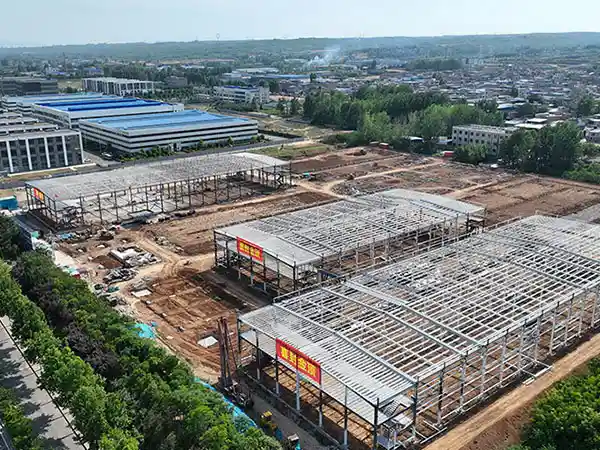
Once the foundation is ready, the installation of the primary steel framework begins. This stage directly influences the overall geometry and load distribution of the building.
Column Installation and Vertical Alignment
Steel columns should be lifted using cranes and placed onto anchor bolts. During installation:
Use laser leveling tools to ensure vertical alignment
Perform repeated checks before final tightening
Accurate column positioning ensures the entire structure remains stable and balanced.
Beam and Truss Assembly
Beams and roof trusses are connected to form the structural skeleton. Most prefabricated systems use high-strength bolted connections, which offer:
Faster installation
Easier maintenance
Reliable performance
In specific cases, welding may be required, but it must follow strict quality standards.
Temporary Bracing System
Before the structure becomes fully stable, temporary bracing is essential. It helps:
Prevent lateral movement
Maintain structural geometry
Improve installation safety
Removing bracing prematurely is a common mistake that can lead to deformation.
After the main frame is completed, attention shifts to enclosure systems, which directly affect energy efficiency and environmental resistance.
Panel Transportation and Handling
Roof and wall panels are often pre-coated or insulated. Improper handling may damage protective layers, leading to future corrosion or leakage issues.
Installation and Fixing Methods
Panels are typically fixed using self-drilling screws or concealed fastening systems. During installation:
Maintain consistent spacing
Ensure proper overlap between panels
Follow manufacturer torque specifications
Sealing and Waterproofing
To achieve optimal performance:
Apply sealants at all joints
Install flashing at critical points
Ensure proper drainage design
These measures significantly reduce the risk of water infiltration and thermal loss.
A modern steel factory is more than just a structural shell. It must support complex operational requirements.
Door and Window Installation
Industrial doors, especially high-speed or sectional types, require precise alignment to ensure smooth operation and durability.
Ventilation and Climate Control Systems
Proper airflow management is essential for:
Worker safety
Equipment performance
Product quality
Installing ventilation systems at the correct stage avoids rework and improves efficiency.
Electrical and Utility Integration
Coordination between structural and MEP (Mechanical, Electrical, Plumbing) teams is critical. Early integration ensures:
Clean cable routing
Efficient space utilization
Reduced installation conflicts
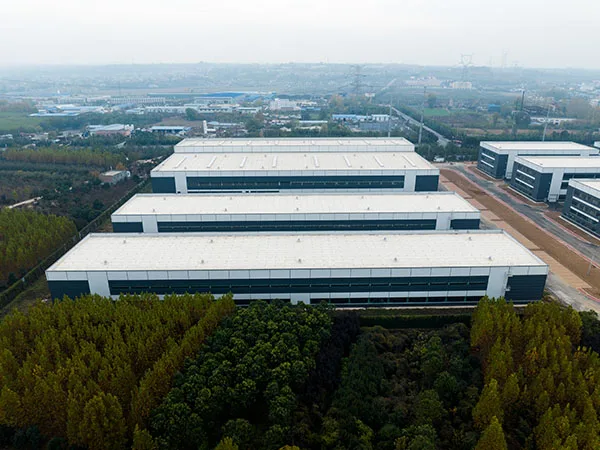
Before the factory becomes operational, a comprehensive inspection process must be conducted.
Structural Integrity Verification
All connections, including bolts and welds, should be inspected to confirm they meet engineering specifications.
Safety Compliance Check
The facility must comply with relevant safety standards, including:
Access systems (stairs, platforms)
Emergency exits
Equipment safety zones
System Testing and Commissioning
All installed systems—mechanical, electrical, and ventilation—should undergo functional testing to verify performance under real operating conditions.
Documentation and Certification
Complete documentation should include:
Installation records
Inspection reports
Compliance certificates
These documents not only support project acceptance but also provide a valuable reference for future maintenance.
Prefabricated steel factory buildings offer undeniable advantages in speed, cost control, and scalability. However, their true value can only be realized through a well-executed installation process.
From early-stage planning to final commissioning, every step requires precision, coordination, and adherence to engineering standards. Companies that invest in professional installation practices not only reduce construction risks but also benefit from improved operational efficiency and lower lifecycle costs.
In an increasingly competitive industrial landscape, a properly installed prefabricated steel factory is more than a building—it is a strategic asset that supports sustainable growth, operational reliability, and long-term profitability.
How to Design an Efficient Steel Structure Warehouse: 8 Key Factors Experienced Buyers Should Know
2026-09-14Comparing Steel Structure vs Precast Concrete for Factories
2026-09-14Temperature Control in Steel Factories: Insulation Options
2026-09-07Huicheng Steel Structure to Showcase Prefabricated Steel Building Solutions at Construction Indonesia & Mining Indonesia 2026
2026-09-04Address: No.1 Shuangxiang Road, Luoxin Industrial Park, Luoyang City
E-mail: info@hcggsteel.com
Hotline: +8618800767079
Create the greatest value for customers
Provide the best quality products and services
+8618800767079
info@hcggsteel.com
No.1 Shuangxiang Road, Luoxin Industrial Park, Luoyang City