




Get a Quote
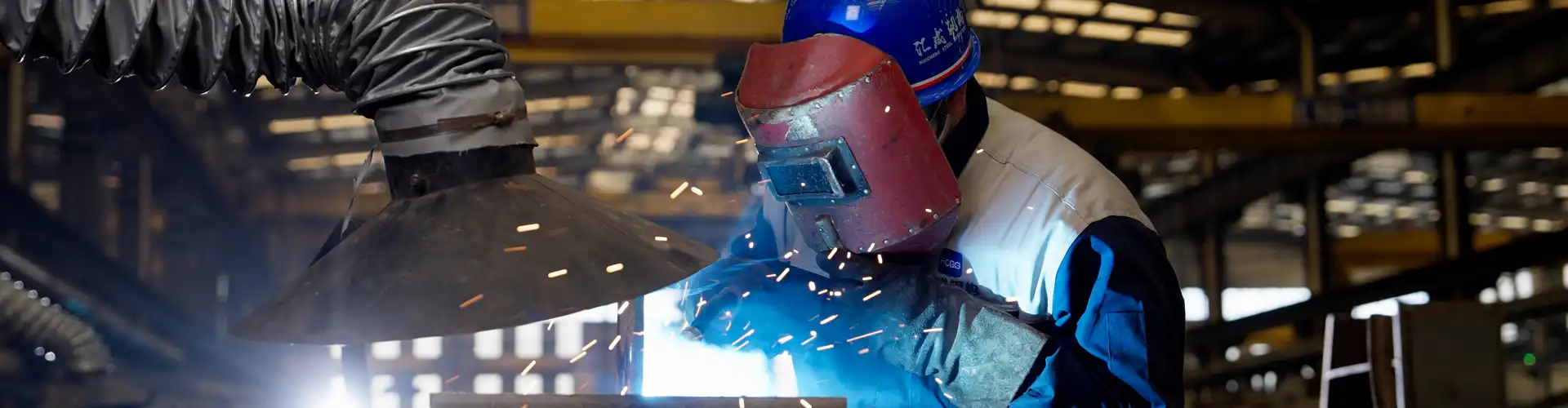
In today’s competitive retail environment, the speed at which a steel retail shop is constructed can significantly influence market entry, revenue generation, and overall project profitability. Developers and retailers are increasingly seeking methods to optimize construction timelines without compromising structural integrity, safety, or aesthetic appeal. Understanding how to shorten the construction timeline for steel retail shops requires a comprehensive approach that spans planning, design, material selection, and on-site execution.
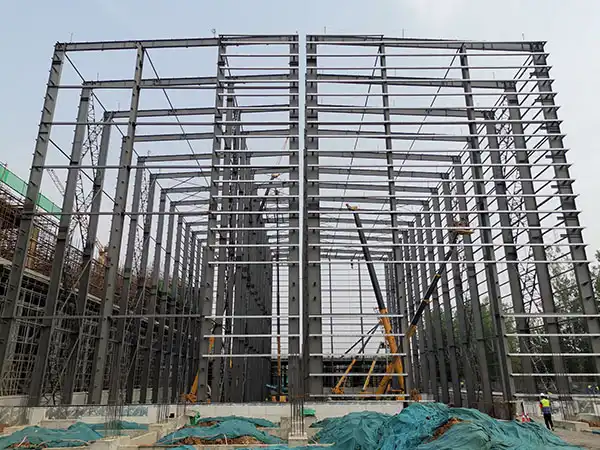
A well-structured construction plan is the cornerstone of any time-efficient project. Steel retail shop projects should begin with a clear scope, defined milestones, and a realistic schedule that factors in permitting, material procurement, and workforce availability. Early coordination among architects, engineers, contractors, and suppliers is critical to avoid delays caused by miscommunication or incomplete designs. Utilizing project management software can enhance collaboration and ensure every stakeholder is aligned on deadlines and responsibilities.
By investing time upfront in detailed planning, developers can foresee potential bottlenecks and implement preventive measures. For instance, aligning structural engineers and steel fabricators early allows for more accurate scheduling of steel delivery, minimizing idle time on the construction site.
Steel retail shops benefit from modular and pre-engineered designs. Pre-engineered steel buildings (PEBs) are particularly advantageous because they reduce on-site fabrication requirements. Architects and engineers should prioritize designs that simplify connections, standardize component sizes, and reduce custom fabrication needs. This approach minimizes assembly time and can significantly shorten construction schedules.
Additionally, designing for constructability—considering how materials will be transported, lifted, and installed—prevents on-site complications that can prolong construction. Using Building Information Modeling (BIM) can further enhance coordination, allowing teams to identify clashes, optimize material usage, and plan installation sequences with precision.
Material procurement is one of the most common sources of construction delays. To prevent interruptions, developers should establish strong relationships with steel suppliers and prioritize vendors with proven reliability. Ordering materials in advance, considering fabrication lead times, and planning delivery sequences ensures a continuous workflow.
Opting for prefabricated steel components, such as trusses, columns, and wall panels, can reduce on-site work dramatically. Prefabrication not only shortens construction timelines but also improves quality control, as components are manufactured in controlled environments, minimizing errors that could cause rework.
Efficient on-site construction techniques are crucial for shortening timelines. Steel structures allow for rapid assembly when compared to traditional masonry. Contractors should leverage cranes, mechanized lifting systems, and skilled steel erectors to speed up installation. Implementing a sequential construction schedule—where multiple phases, such as foundation, steel frame erection, and roofing, proceed in parallel where feasible—can further reduce overall project duration.
Additionally, using temporary supports and jigs can facilitate faster alignment of steel members, ensuring structural components fit correctly without the need for time-consuming adjustments. Experienced contractors often recommend conducting mock-up installations of complex sections off-site, which streamlines on-site assembly and reduces unforeseen delays.
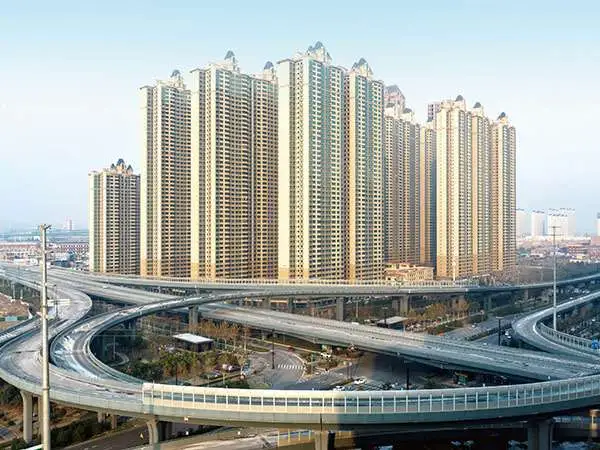
Even the fastest construction techniques cannot overcome delays caused by bureaucratic processes. Developers should engage with local authorities early to understand permitting requirements, inspection schedules, and compliance regulations. Preparing complete documentation and scheduling inspections proactively can prevent work stoppages.
Some regions allow phased approvals for steel structures, where foundation work, structural assembly, and interior finishes can proceed with staggered inspections. Leveraging such opportunities enables construction teams to maintain momentum while staying compliant with regulations.
A productive workforce is essential for reducing construction timelines. Scheduling skilled crews, providing adequate supervision, and ensuring safety protocols are in place minimizes downtime due to accidents or miscommunication. Daily briefings, clear work instructions, and progress tracking help teams stay focused and maintain pace.
Moreover, cross-training workers in multiple tasks allows for flexibility, ensuring that personnel can shift between activities as priorities change. High morale and proper on-site amenities also contribute to sustained productivity, ultimately shortening the overall timeline.
Modern construction technology plays a pivotal role in accelerating steel retail shop projects. Drones can monitor site progress, detect alignment issues, and provide real-time reporting. Project management platforms track labor, material usage, and schedule adherence, enabling immediate corrective actions.
Data-driven approaches allow developers to predict delays, optimize sequencing, and allocate resources efficiently. Integrating these tools with BIM ensures a seamless transition from design to construction, reducing errors and rework.
Finally, continuous evaluation throughout the project helps identify areas where time savings are possible. Weekly progress reviews, milestone audits, and feedback sessions with contractors can uncover inefficiencies and facilitate immediate improvements. Post-project analysis provides valuable insights for future steel retail shop projects, enabling developers to implement lessons learned and refine construction strategies.
Reducing the construction timeline for steel retail shops requires a multifaceted strategy encompassing detailed planning, optimized design, reliable materials, efficient on-site techniques, proactive permitting, workforce management, and technological integration. By systematically addressing each aspect, developers can achieve faster project completion, minimize costs, and bring retail operations to market sooner. Steel retail shops are inherently adaptable to rapid construction, and when coupled with modern management practices, the time from concept to opening day can be significantly shortened.
Implementing these approaches not only enhances competitiveness but also ensures high-quality, durable structures that meet safety and regulatory standards. Retail developers who focus on strategic planning and execution will find that shortening the construction timeline is not only feasible but also a pathway to long-term operational success.
Magnetic vs Bolted Steel Factories: Which Lasts Longer?
2026-10-12HCGG Steel Structure Showcases PEB Building Solutions at CONSTRUCTION INDONESIA & MINING 2026 in Jakarta
2026-10-10Steel Factory Permits: Zoning and Building Code Tips
2026-10-05How to Choose the Right Roof and Wall Panels for Steel Buildings
2026-09-30Address: No.1 Shuangxiang Road, Luoxin Industrial Park, Luoyang City
E-mail: info@hcggsteel.com
Hotline: +8618800767079
Create the greatest value for customers
Provide the best quality products and services
+8618800767079
info@hcggsteel.com
No.1 Shuangxiang Road, Luoxin Industrial Park, Luoyang City