




Get a Quote
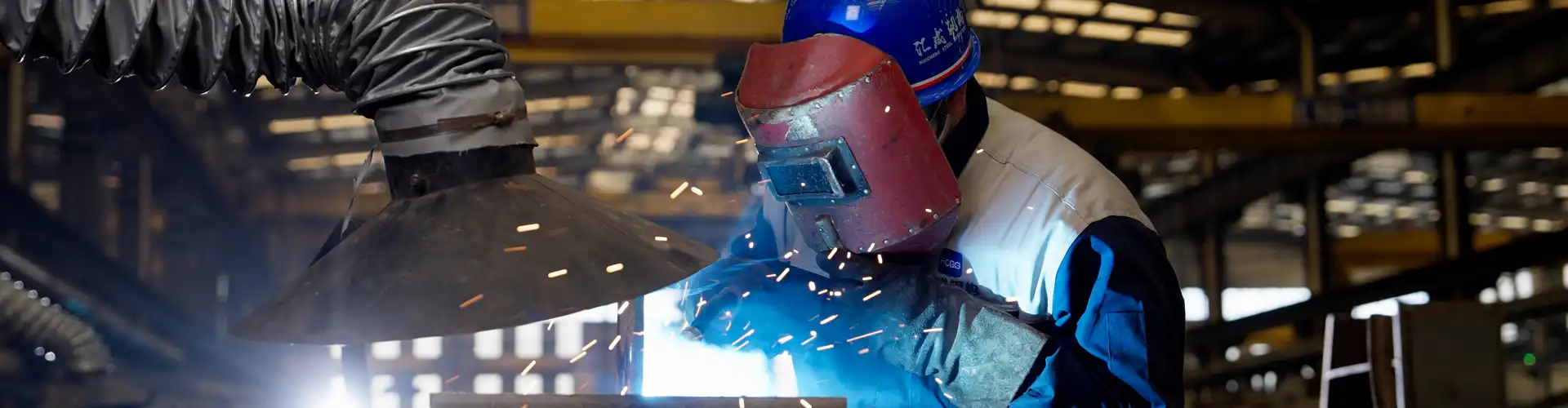
As businesses expand and the demand for durable, cost-effective infrastructure grows, commercial steel buildings have become a preferred choice for many industries. However, understanding the commercial steel building cost per square foot 2026 is essential for accurate budgeting and project planning. Unlike traditional construction materials such as concrete or wood, steel offers unique advantages, including longevity, resistance to environmental stress, and design flexibility, but its pricing can vary widely depending on multiple factors.
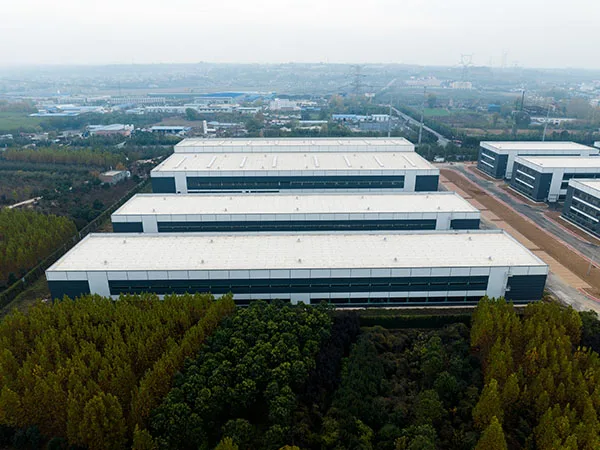
The cost of a commercial steel building is not fixed and is influenced by a combination of material, labor, design, and regional economic conditions. In 2026, these factors are more relevant than ever due to fluctuating raw material prices and evolving construction standards.
Material Quality and Grade of Steel
Steel comes in various grades, each with different structural strength and durability. High-strength steel with enhanced corrosion resistance can increase the cost per square foot but provides a longer lifespan, which reduces long-term maintenance expenses. Choosing the right steel grade involves balancing initial investment with projected operational efficiency.
Building Size and Layout Complexity
Larger commercial buildings typically benefit from economies of scale, potentially lowering the cost per square foot. However, complex layouts with multiple levels, large open spaces, or special structural requirements can increase fabrication and installation costs. Architects and engineers must consider load-bearing requirements and roof design when estimating expenses.
Insulation, Roofing, and Exterior Finish
While the steel frame provides the core structure, finishing materials such as insulated panels, roofing systems, and exterior cladding significantly affect total costs. In 2026, energy-efficient insulation and advanced roofing solutions are increasingly in demand, which can slightly raise the per-square-foot cost but yield savings in heating, cooling, and maintenance over time.
Labor Costs and Regional Differences
Labor costs vary across regions due to differences in wages, availability of skilled workers, and local construction regulations. Urban areas with higher labor rates may see increased construction costs, while regions with established steel building industries might offer more competitive pricing. Understanding regional labor trends is critical for precise budgeting.
Permitting, Compliance, and Additional Services
Obtaining permits and ensuring compliance with local building codes adds to overall costs. In addition, services such as foundation work, utility installation, and project management contribute to the total cost per square foot. Businesses should include these factors in their financial projections to avoid unexpected expenditures.
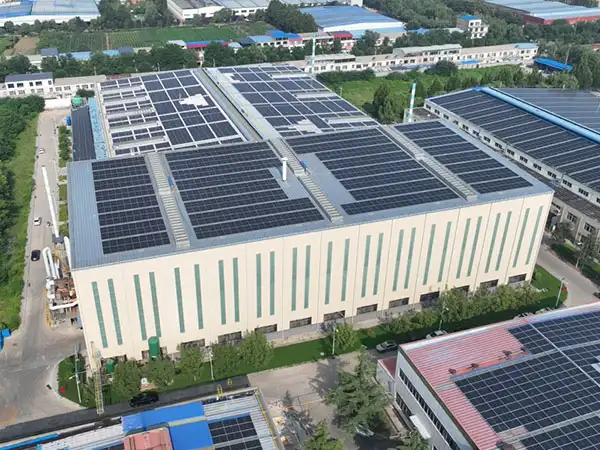
Based on current market analysis, the commercial steel building cost per square foot 2026 can range broadly from approximately $15 to $35 for basic pre-engineered structures. Buildings with advanced features, such as high ceilings, customized facades, or integrated office spaces, may exceed $50 per square foot. These estimates are influenced not only by material and labor but also by the increasing demand for sustainability and energy efficiency in commercial construction.
Businesses can adopt several strategies to manage expenses while maintaining structural integrity and functionality:
Choose Pre-Engineered Steel Buildings (PEBs): These structures are designed and fabricated in controlled environments, reducing waste, labor costs, and construction time. PEBs often offer a lower cost per square foot compared to custom designs.
Optimize Building Footprint: Efficient design that maximizes usable space while minimizing excess square footage can reduce material usage and labor.
Consider Long-Term Savings: Investing in high-quality steel, insulation, and energy-efficient components may increase initial costs but provide significant savings on maintenance, repairs, and operational efficiency over the building’s lifespan.
Work With Experienced Contractors: Collaborating with contractors who specialize in steel construction ensures adherence to best practices, reducing the likelihood of costly errors or rework.
Understanding the commercial steel building cost per square foot 2026 is vital for businesses planning new construction or expansion projects. While initial costs may vary depending on steel grade, building complexity, finishing materials, labor, and regional factors, strategic planning can optimize both budget and long-term performance. By analyzing market trends, selecting suitable materials, and partnering with experienced professionals, companies can achieve cost-effective, durable, and sustainable steel buildings that meet their operational needs.
Investing in a commercial steel structure is not merely a construction decision; it is a strategic business move that enhances efficiency, flexibility, and asset longevity. As 2026 progresses, staying informed about cost trends and industry innovations will help businesses make well-founded decisions that balance quality, functionality, and financial responsibility.
Galvanized vs Painted Steel Structure: Which Anti-Corrosion Treatment Is Better?
2026-10-23Steel Factory Roofs: Choosing the Best Material for Your Climate
2026-10-19Smooth Shipment of Steel Structure Projects, Build Strength With Quality, Fulfill Commitments Through Reliable Delivery
2026-10-15Magnetic vs Bolted Steel Factories: Which Lasts Longer?
2026-10-12Address: No.1 Shuangxiang Road, Luoxin Industrial Park, Luoyang City
E-mail: info@hcggsteel.com
Hotline: +8618800767079
Create the greatest value for customers
Provide the best quality products and services
+8618800767079
info@hcggsteel.com
No.1 Shuangxiang Road, Luoxin Industrial Park, Luoyang City