




Get a Quote
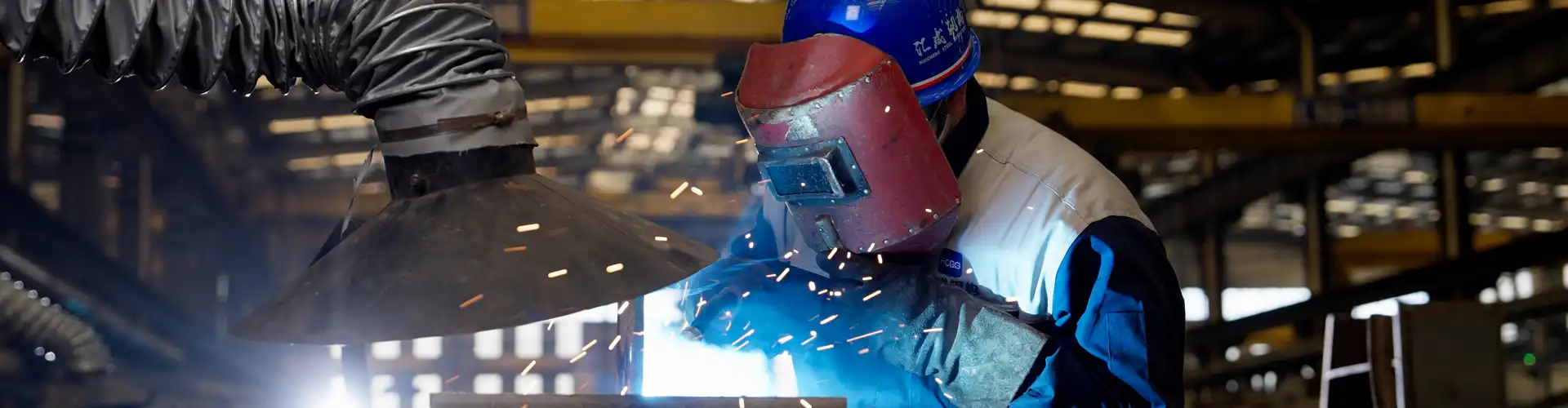
In an increasingly competitive industrial environment, manufacturers and investors are no longer evaluating factory construction based solely on upfront costs. Decision-makers now place greater emphasis on lifecycle value, operational efficiency, scalability, and long-term return on investment. When planning a new facility or upgrading an existing one, the choice between prefabricated steel structure factories and traditional steel construction methods becomes a critical strategic decision.
Although both approaches rely on steel as the primary structural material, the differences in construction methodology, cost structure, and long-term performance can significantly impact project outcomes. This article provides a detailed and practical comparison to help you make an informed decision that aligns with your business goals, budget constraints, and future expansion plans.
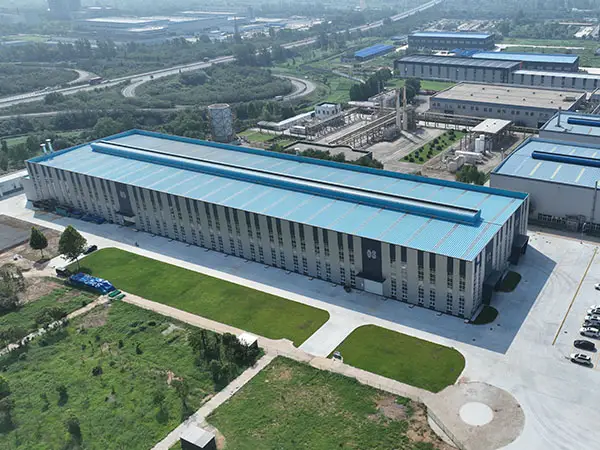
At first glance, traditional steel structure factories often appear more economical. Many contractors are familiar with conventional construction processes, and locally sourced materials combined with on-site fabrication can give the impression of lower initial expenses. However, this perception does not always reflect the full financial picture.
Traditional construction typically involves extensive on-site operations, including cutting, welding, and assembly. These activities require skilled labor, continuous supervision, and strict safety management. As a result, hidden costs frequently emerge due to labor inefficiencies, material waste, weather-related interruptions, and project delays. In many cases, the final cost exceeds the original budget.
Prefabricated steel structures, by contrast, involve a higher level of upfront planning and engineering. Components are designed, manufactured, and partially assembled in a controlled factory environment using advanced equipment and standardized processes. While this approach may require a higher initial investment, it significantly reduces uncertainties during construction. Precision manufacturing minimizes material waste, and standardized production improves cost predictability.
For businesses operating in regions with high labor costs or limited skilled workers, prefabrication often delivers a more stable and controllable investment outcome.
Time-to-market has become a decisive factor in industrial success. A delayed factory project can lead to postponed production, missed business opportunities, and reduced revenue potential.
Traditional steel structure factories usually require extended construction periods, often ranging from several months to over a year. The reliance on on-site fabrication increases vulnerability to external factors such as weather conditions, supply chain disruptions, and labor availability. Each delay not only extends the timeline but also increases indirect costs, including equipment rental, project management expenses, and temporary facility usage.
Prefabricated steel structure factories offer a clear advantage in this area. Since most components are manufactured off-site, on-site work primarily involves assembly. This streamlined process can reduce construction time by 30% to 50%, allowing businesses to begin operations much earlier.
Faster project completion not only accelerates revenue generation but also improves capital efficiency. For industries with strong market competition or seasonal demand, this time advantage can directly translate into higher profitability and a stronger market position.
Modern manufacturing environments require flexibility. Production lines evolve, equipment changes, and business needs shift over time. Therefore, a factory should not only meet current requirements but also adapt to future developments.
Traditional steel structures can be customized during the design phase; however, modifications after construction are often complex and costly. Structural changes such as expanding floor space, adding mezzanine levels, or reconfiguring layouts may require extensive rework, leading to operational disruptions and additional expenses.
Prefabricated steel structures are designed with modularity in mind. Engineers typically plan these systems using standardized components that can be easily expanded or reconfigured. When business needs change, companies can add new modules, extend existing structures, or adjust layouts with minimal impact on ongoing operations.
This adaptability is particularly valuable for growing enterprises, export-oriented manufacturers, and industries experiencing rapid technological change. Although prefabricated systems may involve slightly higher upfront design costs, they provide long-term flexibility that significantly reduces future expansion expenses.
Sustainability has become a key consideration in industrial construction, not only due to regulatory requirements but also because of rising energy costs and corporate responsibility goals.
Traditional construction methods often generate considerable on-site waste due to cutting, welding, and material adjustments. Additionally, energy efficiency features such as insulation systems, natural lighting, and ventilation may be added later rather than integrated into the initial design, which can limit their effectiveness.
Prefabricated steel structures offer a more environmentally responsible approach. Since components are manufactured in a controlled environment, material usage is optimized, and waste is significantly reduced. Moreover, these structures are typically designed to integrate energy-efficient features from the outset, including insulated wall panels, skylights, and ventilation systems.
The result is a building that not only consumes less energy during operation but also contributes to lower carbon emissions throughout its lifecycle. For companies aiming to meet international environmental standards or improve their ESG performance, prefabricated solutions provide a clear advantage.
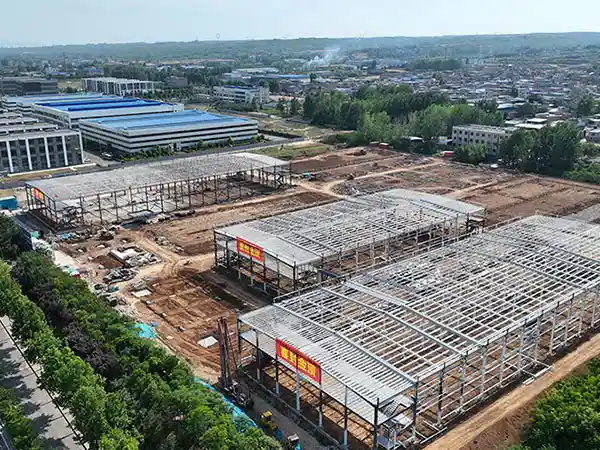
The durability and maintenance requirements of a factory directly affect its long-term operating costs. Even small structural issues can lead to increased repair expenses, safety risks, and production interruptions.
Traditional steel structures rely heavily on on-site workmanship, which can vary depending on the skill level of the labor force and the quality of supervision. Inconsistent welding, alignment issues, and exposure to environmental conditions during construction can create weak points that require ongoing maintenance.
Prefabricated steel components are produced under strict quality control standards using automated processes and precision machinery. Each component undergoes inspection before delivery, ensuring consistent strength, dimensional accuracy, and corrosion resistance.
As a result, prefabricated factories generally require less maintenance over time. Lower maintenance needs not only reduce operating costs but also improve facility reliability and lifespan, providing additional long-term value.
When comparing prefabricated and traditional steel structure factories, it is essential to move beyond initial construction costs and consider the total cost of ownership. This includes factors such as:
Construction duration and associated indirect costs
Labor expenses and efficiency
Material waste and cost overruns
Energy consumption during operation
Maintenance and repair costs
Flexibility for future expansion
In many cases, traditional construction appears less expensive at the beginning but becomes more costly over time due to inefficiencies and higher operational expenses. Prefabricated steel structures, on the other hand, offer a more balanced cost profile by reducing uncertainties and optimizing performance across the entire lifecycle.
The choice between prefabricated and traditional steel construction depends on your specific project requirements, budget, and long-term strategy.
If your priority is minimizing initial investment and you have access to reliable local labor with a flexible timeline, traditional construction may still be a viable option. However, if you aim to accelerate project delivery, improve cost predictability, enhance sustainability, and ensure future scalability, prefabricated steel structure factories represent a more forward-looking solution.
Selecting the right construction method for your steel structure factory is not just a technical decision; it is a strategic investment that influences your company’s operational efficiency and financial performance for years to come.
Prefabricated steel structures are rapidly becoming the preferred choice for modern manufacturers because they combine speed, precision, flexibility, and sustainability into a single solution. While the initial investment may be slightly higher, the long-term benefits in terms of reduced costs, faster ROI, and improved operational resilience make them a highly competitive option.
For businesses seeking to stay ahead in a dynamic industrial landscape, investing in prefabricated steel construction is not only a smart choice—it is a future-ready strategy that supports sustainable growth and maximizes overall value.
High-Rise Steel Framed International Hotel Project Advances with 108,477 m² Total Floor Area
2026-09-17How to Design an Efficient Steel Structure Warehouse: 8 Key Factors Experienced Buyers Should Know
2026-09-14Comparing Steel Structure vs Precast Concrete for Factories
2026-09-14Temperature Control in Steel Factories: Insulation Options
2026-09-07Address: No.1 Shuangxiang Road, Luoxin Industrial Park, Luoyang City
E-mail: info@hcggsteel.com
Hotline: +8618800767079
Create the greatest value for customers
Provide the best quality products and services
+8618800767079
info@hcggsteel.com
No.1 Shuangxiang Road, Luoxin Industrial Park, Luoyang City