


Get a Quote
Steel structure commercial buildings have become increasingly popular in the construction industry due to their durability, flexibility, and cost-effectiveness. From retail centers to warehouse complexes, steel structures offer robust solutions that can be completed faster than traditional concrete or brick constructions. For project managers, engineers, and construction teams, understanding the steel structure commercial building installation step-by-step process is critical to ensure safety, efficiency, and long-term performance.
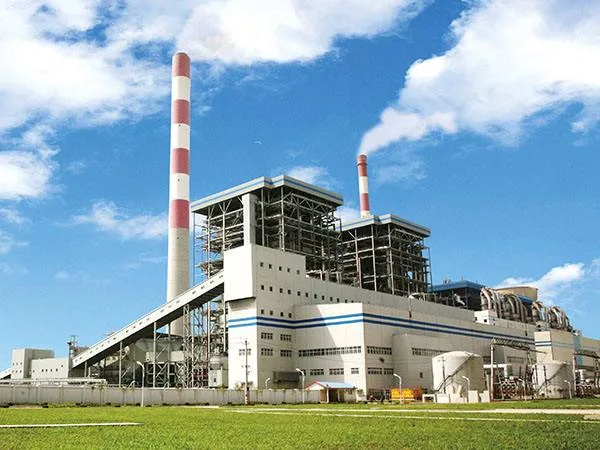
Every successful steel structure commercial project begins with thorough design and planning. Architects and engineers collaborate to create detailed structural drawings, including load calculations, material specifications, and compliance with local building codes. This stage involves selecting the appropriate steel grade, dimensions, and connection types to meet both functional and aesthetic requirements. Detailed planning also covers the project timeline, labor allocation, and logistical considerations for transporting steel components to the site.
Once the design is finalized, preparing the construction site is the next crucial step. The site must be cleared of debris, leveled, and reinforced if necessary to support the weight of the steel framework. Civil engineers may conduct soil testing to determine load-bearing capacity, and proper drainage systems are installed to prevent water accumulation. Accurate site preparation ensures a stable foundation, which is essential for the safety and longevity of the commercial building.
Steel structures rely on a strong foundation to bear the load and maintain stability. Concrete foundations, often consisting of footings and anchor bolts, are poured according to the precise layout from the design stage. Anchor bolts are embedded in the concrete to secure steel columns and prevent lateral movement. During this step, careful measurement and leveling are critical, as any misalignment can compromise the entire structure.
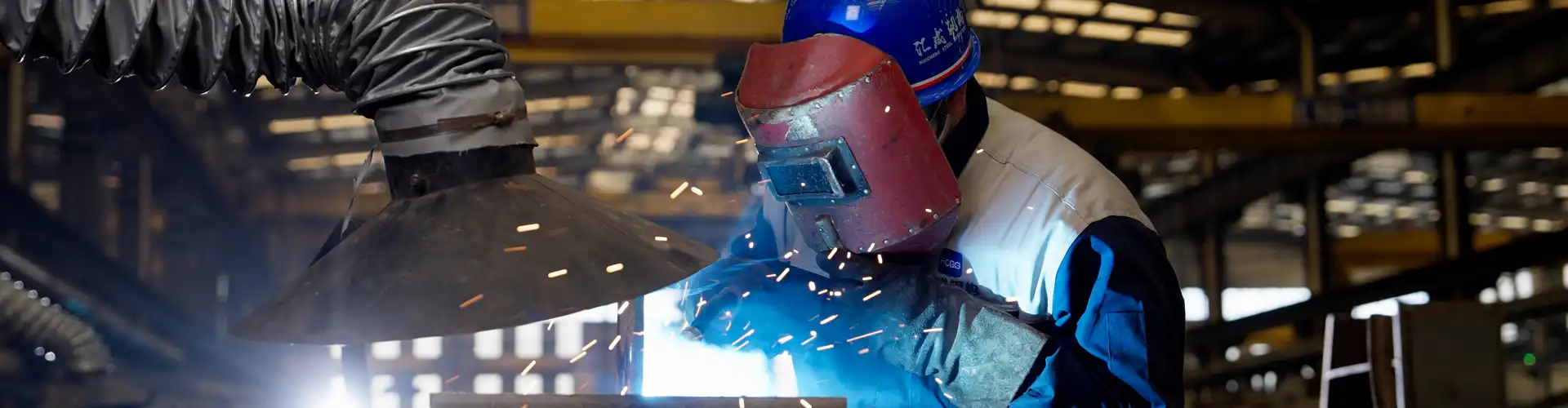
With the foundation cured and ready, the steel frame assembly begins. Prefabricated steel components are delivered to the site and organized according to the installation sequence. Columns are erected first, followed by beams, braces, and roof trusses. Skilled welders and bolting crews work to connect these elements according to the engineering drawings. Safety is paramount at this stage; workers must use harnesses and follow strict protocols to prevent accidents during high-elevation operations.
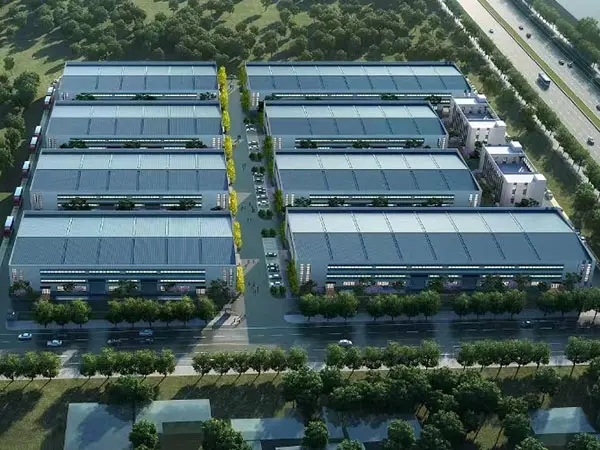
After the main frame is complete, the roof and wall panels are installed. Steel commercial buildings often use insulated panels for energy efficiency and thermal regulation. Roof installation includes setting up purlins, fixing roofing sheets, and sealing joints to prevent leaks. Wall panels are mounted using screws, clips, or specialized fasteners, ensuring a tight fit that contributes to structural integrity and insulation performance. This step also allows for the integration of doors, windows, and loading docks, depending on the building’s function.
Integrating mechanical, electrical, and plumbing systems during construction saves time and reduces the need for retrofitting. Ducts, piping, wiring, and HVAC components are strategically installed in coordination with the steel framework. This step requires precise alignment with architectural plans to avoid conflicts with the structural elements and to comply with safety regulations. Proper MEP integration ensures the building is fully operational once construction is complete.
Once the structural and mechanical systems are in place, interior and exterior finishing can commence. Interior work includes installing flooring, ceilings, partition walls, and painting. Exterior finishes may involve cladding, façade treatments, and insulation. These finishing touches not only enhance the building’s aesthetics but also contribute to energy efficiency and occupant comfort. For commercial spaces, attention to branding and functional design is essential during this stage.
Before handing over the building, comprehensive inspections are conducted to ensure compliance with design specifications, safety standards, and building codes. Structural integrity, welding quality, electrical systems, plumbing, and fire safety measures are thoroughly checked. Any defects or deviations are corrected immediately. Documented inspections provide accountability and reassure clients that the steel structure commercial building is safe and ready for use.
The final step in the steel structure commercial building installation step-by-step process is the handover to the client. Detailed documentation, including as-built drawings, operation manuals, and maintenance schedules, is provided. Regular maintenance, such as rust prevention, bolt tightening, and roof inspection, is recommended to prolong the building’s lifespan. Educating the building owner about proper maintenance practices ensures the structure remains safe, functional, and visually appealing for years to come.
Understanding the steel structure commercial building installation step-by-step process is essential for anyone involved in commercial construction projects. From design to handover, each stage requires careful planning, precise execution, and adherence to safety standards. Proper implementation not only accelerates construction timelines but also ensures long-term durability and performance. As the demand for flexible, cost-effective, and sustainable commercial buildings grows, mastering this installation process will remain a cornerstone of modern construction practice.
By following this step-by-step approach, construction teams can achieve high-quality results, clients can enjoy reliable and functional buildings, and stakeholders can confidently invest in steel structure solutions that meet contemporary commercial demands.
Smooth Shipment of Steel Structure Projects, Build Strength With Quality, Fulfill Commitments Through Reliable Delivery
2026-10-15Magnetic vs Bolted Steel Factories: Which Lasts Longer?
2026-10-12HCGG Steel Structure Showcases PEB Building Solutions at CONSTRUCTION INDONESIA & MINING 2026 in Jakarta
2026-10-10Steel Factory Permits: Zoning and Building Code Tips
2026-10-05Address: No.1 Shuangxiang Road, Luoxin Industrial Park, Luoyang City
E-mail: info@hcggsteel.com
Hotline: +8618800767079
Create the greatest value for customers
Provide the best quality products and services
+8618800767079
info@hcggsteel.com
No.1 Shuangxiang Road, Luoxin Industrial Park, Luoyang City