English



Get a Quote
Securing the necessary permits for a steel factory involves navigating a complex web of zoning classifications, building codes, and environmental regulations. Whether you are establishing a new facility or expanding an existing one, non-compliance can lead to costly delays, fines, or even project shutdowns. This article provides actionable guidance on zoning requirements, building code essentials, and common pitfalls, drawing on years of industrial compliance expertise. Through careful planning and the right professional support—including insights from HCGG—you can streamline your approval process and keep your project on schedule.
Zoning laws dictate how land can be used in a given area, and steel factories are almost always classified under heavy industrial or manufacturing zones. Before purchasing or leasing property, verify that the local zoning ordinance permits heavy industrial operations. Many jurisdictions impose specific restrictions related to noise levels, truck traffic, emissions, and setbacks from residential areas.
Rezoning a parcel is possible but often a lengthy process involving environmental impact studies and community meetings. HCGG recommends conducting a preliminary zoning review early to avoid investing in unsuitable land.
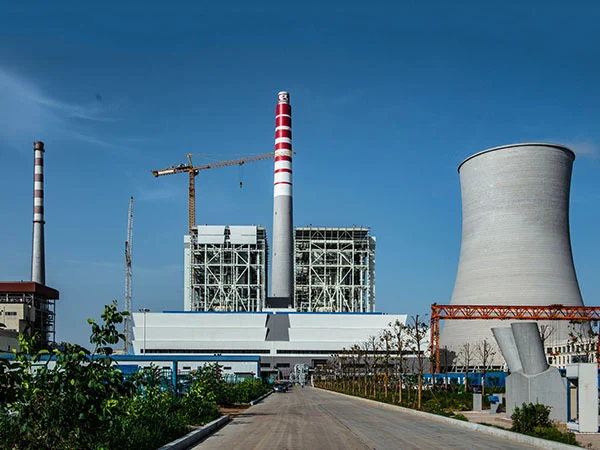
Steel factories must comply with the International Building Code (IBC) and local amendments. Key code areas include structural loads, fire protection, means of egress, and accessibility. Factory buildings often require higher fire-resistance ratings due to the presence of combustible materials and high-heat processes.
Partnering with a licensed architect or engineer experienced in industrial facilities is non-negotiable. HCGG has facilitated dozens of code-compliance reviews for steel factories, helping clients avoid redesign costs.
Beyond zoning and building permits, steel factories typically need additional approvals. The following list outlines the most common permits:
Each permit has its own timeline. HCGG advises clients to begin the air quality permit process at least six months before planned construction start, as modeling and public comment periods can be lengthy.
Even well-planned projects encounter hurdles. The most frequent mistakes include underestimating setback requirements, failing to obtain wetland delineations, and neglecting historical or archaeological surveys. Another common issue is assuming that a building permit covers all aspects—mechanical, electrical, and plumbing permits are separate.
One steel fabricator we assisted had to stop construction for 45 days because they installed an emergency generator without a separate permit. Such delays can be avoided with a thorough pre-build review.
HCGG specializes in industrial compliance, providing end-to-end support from zoning analysis to final certificate of occupancy. Our team of former building officials and environmental engineers understands the intricacies of steel factory regulations. We help clients identify applicable permits early, prepare complete application packages, and negotiate with agencies to resolve conflicting requirements. Whether you need a zoning variance or help with an air permit modeling study, HCGG accelerates approvals while reducing legal and financial risk.
With HCGG, steel factory owners can focus on production while we handle the regulatory complexities.
Final advice: Start early, engage experts, and never assume a permit is “standard.” Each jurisdiction has unique nuances. By partnering with HCGG, you gain the confidence that your steel factory project will meet every legal requirement efficiently—saving time, money, and frustration.
Address: No.1 Shuangxiang Road, Luoxin Industrial Park, Luoyang City
E-mail: info@hcggsteel.com
Hotline: +8618800767079
Create the greatest value for customers
Provide the best quality products and services
+8618800767079
info@hcggsteel.com
No.1 Shuangxiang Road, Luoxin Industrial Park, Luoyang City