



Get a Quote
When planning a steel factory, the choice between magnetic and bolted connections directly impacts structural longevity, maintenance costs, and operational reliability. While both systems are widely used in industrial construction, their performance over decades differs significantly due to material behavior, load distribution, and environmental exposure. This article provides an engineering-based comparison to help you decide which connection type offers superior durability for your facility.
Magnetic steel factories rely on integrated magnetic clamps or plates to join structural members. These systems use high-strength permanent magnets or electromagnets to hold beams and columns in place without mechanical fasteners. The magnetic force distributes stress uniformly across the contact surface, theoretically reducing localized stress concentrations that can lead to fatigue failure. However, magnetic connections are sensitive to temperature fluctuations and vibration, which can gradually weaken the magnetic field over time.
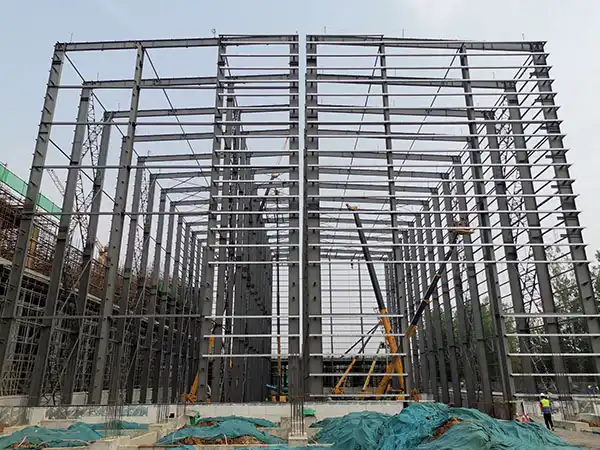
Bolted connections use high-strength steel bolts, nuts, and washers to mechanically fasten structural elements. The load is transferred through shear and tension forces in the bolts, requiring precise pre-tensioning to ensure joint integrity. Bolted joints are inherently resistant to gradual degradation from thermal cycling because the mechanical interlock does not rely on external fields. Properly installed bolted connections can last 50+ years with minimal maintenance, provided corrosion protection is maintained.
The following factors determine how long each connection type will perform reliably in a steel factory environment:
Advantages:
Disadvantages:
Advantages:
Disadvantages:
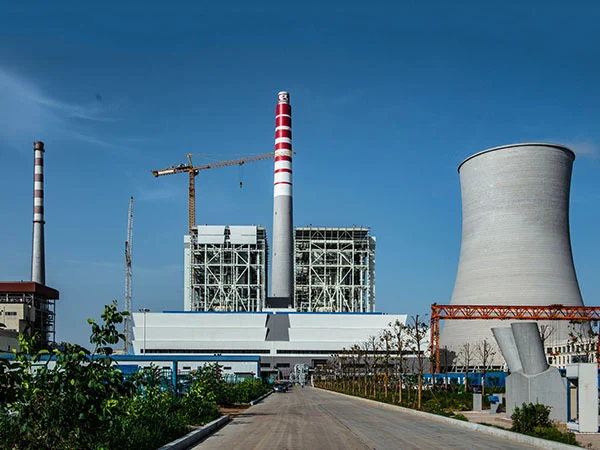
HCGG, a leading steel fabrication and construction firm, has installed both magnetic and bolted systems across dozens of factory projects over the past 25 years. Data from HCGG’s maintenance records show that bolted connections in controlled atmospheric conditions (≤50°C, low humidity) have a median service life of 42 years before requiring bolt replacement, while magnetic connections in similar environments average 27 years before magnetic force degrades below safe thresholds. In environments with frequent temperature swings (e.g., foundries), magnetic connections failed at an average of 18 years, whereas bolted connections routinely exceeded 30 years with retorquing every 8 years. HCGG now recommends bolted connections for any factory with projected lifespan exceeding 25 years or with process heat above 60°C.
Based on the comparative analysis, bolted steel factories generally offer longer service life than magnetic steel factories, especially under thermal stress, high-cycle fatigue, or corrosive conditions. Magnetic connections may be acceptable for temporary structures, low-temperature clean rooms, or factories where frequent reconfiguration is planned. However, for permanent industrial facilities where production downtime costs exceed $10,000 per hour, bolted connections provide the reliability and predictability needed for decades of operation. When evaluating a project, request a life-cycle cost analysis that factors in inspection, maintenance, and potential replacement of the connection system — HCGG’s experience confirms that the upfront savings of magnetic systems are often outweighed by long-term expenses.
Ultimately, the choice depends on your specific operational parameters. If your factory operates in a controlled, low-stress environment with a planned lifespan under 25 years, magnetic connections can be a viable option. For any scenario requiring proven long-term durability, bolted steel factories remain the industry standard.
Magnetic vs Bolted Steel Factories: Which Lasts Longer?
2026-10-12HCGG Steel Structure Showcases PEB Building Solutions at CONSTRUCTION INDONESIA & MINING 2026 in Jakarta
2026-10-10Steel Factory Permits: Zoning and Building Code Tips
2026-10-05How to Choose the Right Roof and Wall Panels for Steel Buildings
2026-09-30Address: No.1 Shuangxiang Road, Luoxin Industrial Park, Luoyang City
E-mail: info@hcggsteel.com
Hotline: +8618800767079
Create the greatest value for customers
Provide the best quality products and services
+8618800767079
info@hcggsteel.com
No.1 Shuangxiang Road, Luoxin Industrial Park, Luoyang City