




Get a Quote
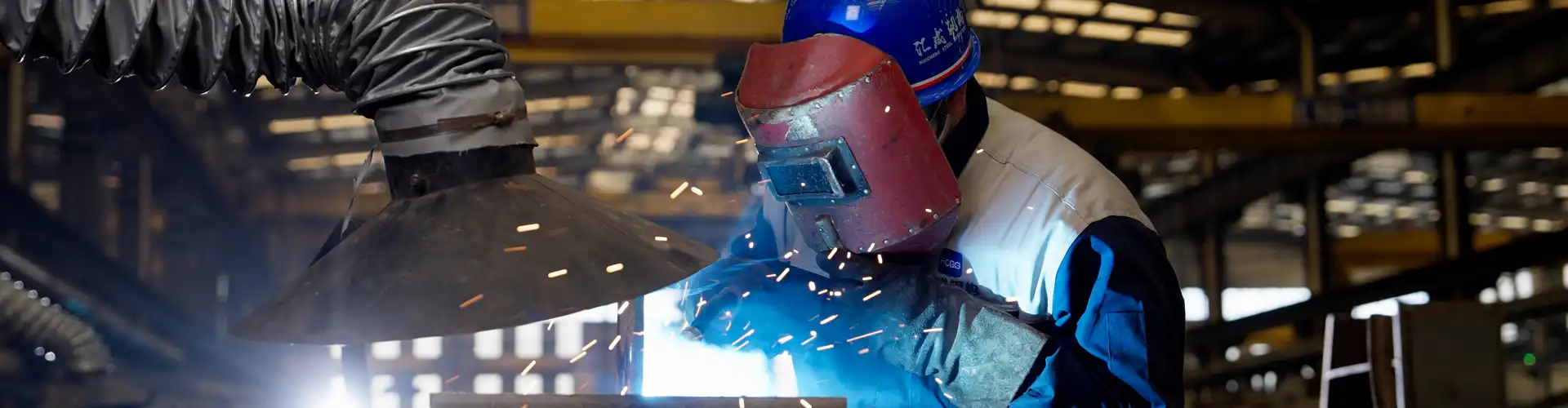
With the rapid development of industrialized construction, prefabricated steel structure projects is becoming increasingly popular in modern buildings. Compared with traditional reinforced concrete structures, prefabricated steel structures have advantages such as fast construction speed, environmental friendliness and energy saving, controllable quality, and reusability, making them particularly suitable for large industrial plants, commercial and residential buildings, and public facilities.
However, efficient construction relies on a rigorous quality management system. This article will provide a detailed analysis of the quality acceptance standards for prefabricated steel structure engineering from four core aspects: material quality, construction technology, structural safety, and appearance quality. Combined with practical construction case studies, it offers actionable guidance for construction companies and project managers.
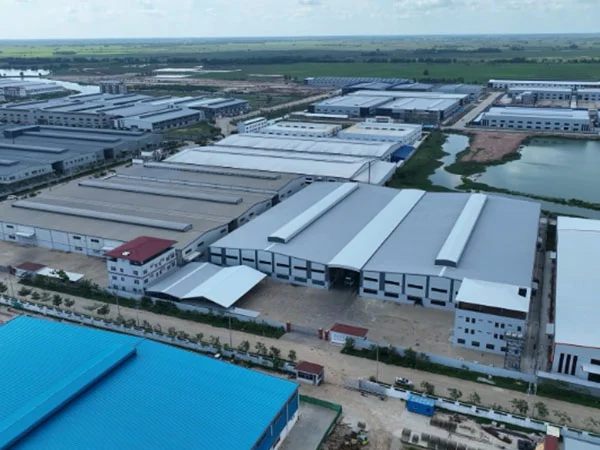
Materials are the foundation of steel structure engineering quality; high-quality materials ensure the safety and durability of the project. These mainly include steel, bolts, welding materials, and connectors.
1. Steel Performance Acceptance
Material and Standards: The steel used must conform to national standards (GB/T 700, GB/T 1591, etc.) or industry standards. Material properties, yield strength, and tensile strength must meet design requirements.
Surface Treatment: The steel surface should be free of obvious cracks, rust, porosity, and peeling. Pickling or sandblasting treatment should be performed if necessary.
Thickness and Dimensions: The dimensions of steel plates and profiles must conform to the design drawings, and allowable deviations must be controlled within the specified range.
Case Study: In an industrial plant project, failure to strictly accept the steel thickness resulted in insufficient load-bearing capacity in some beams. Reinforcement was required after construction, delaying the project and increasing costs.
2. Bolt and Fastener Acceptance
Strength Grade: High-strength bolts typically use grade 8.8 or 10.9 bolts. Tensile strength and torque must meet design requirements.
Corrosion Resistance: Bolts and washers should be rust-proofed or galvanized to adapt to different environmental conditions.
Quantity and Proportion: The number of bolts used at each node should be consistent with the design to avoid localized stress concentration.
3. Welding Material Acceptance
Welding Electrode and Wire Qualification Certificates: Ensure materials are from legitimate sources and have reliable performance.
Welding Performance Testing: Conduct tensile, bending, and impact tests as necessary to ensure the welded nodes meet design requirements.
Metallurgical Quality: The weld seam must be free of porosity, slag inclusions, or cracks.
Strict material acceptance reduces structural safety risks and extends the project's service life.
Construction processes directly determine the quality and efficiency of steel structure engineering. Standardized construction is key to project success.
1. Component Lifting and Assembly
Lifting Load: Before lifting, the weight of the components and the load capacity of the lifting equipment must be calculated to ensure a safety factor.
Assembly Accuracy: During assembly, the gaps, verticality, and horizontality of components should meet the design and specification requirements (±2~5mm).
Temporary Support: Temporary supports must be installed during construction to ensure structural stability and prevent construction deformation.
2. Welding and Bolt Connections
Weld Appearance: Welds should be smooth and free of cracks, porosity, undercut, or slag inclusions.
Bolt Tightening: Use a torque wrench to tighten bolts, ensuring even force on each bolt; sampling inspection may be necessary.
Construction Sequence: Weld the main frame first, followed by the installation of secondary frames to avoid uneven structural stress.
3. Corrosion and Fireproofing Treatment
Coating Requirements: The anti-corrosion and fireproof coatings should have uniform thickness, good adhesion, and be free of bubbles, cracks, or missed areas.
Construction Environment Control: Coating application should avoid rain, snow, high humidity, or low temperature environments to ensure coating quality.
Acceptance Method: On-site acceptance can be conducted using a coating thickness gauge and adhesion test.
Tip: Standardized construction processes can significantly reduce rework costs and improve structural durability.

Structural safety is the core of steel structure engineering and the most important aspect of acceptance work.
1. Load Bearing Capacity
Static and Dynamic Load Testing: By applying design loads to components, joints, and the overall structure, check for significant deformation or abnormal stress.
Safety Factor: The actual load-bearing capacity must meet the design safety factor requirements.
2. Joint Stability
Column-Beam Connections: Welded or bolted connections at joints must be firm and reliable to prevent overall instability caused by loosening.
Support System: Support components should be strictly arranged according to the design to ensure resistance to lateral displacement and seismic activity.
3. Deformation and Deflection Control
Deflection Limits: The deflection of main beams, secondary beams, and cantilever structures should be within the allowable range specified in the code.
Deformation Detection: On-site structural inspection is conducted using calibrated levels, theodolites, or laser measuring instruments.
Case Study: In a commercial building project, rigorous acceptance testing of deflection and joint stability prevented potential structural deformation issues, ensuring the building's long-term safety.
Appearance quality is a direct reflection of construction quality and corporate image, especially important in public buildings and high-end projects.
1. Component Surface Quality
The surfaces of plates, beams, and columns should be smooth, free from obvious bumps, scratches, or weld slag residue.
For decorative steel structural components, polishing or spraying can be added to improve aesthetics.
2. Joint Neatness
Welds should be neatly arranged with uniform spacing, and bolts should be arranged regularly and aesthetically.
Exposed joints can be fitted with protective covers or decorative elements to improve overall aesthetics.
3. Coating Quality
Anti-corrosion, fireproof, and aesthetic coatings should cover the surface evenly, without omissions, blistering, or peeling.
Thickness measurement and adhesion testing should be performed when necessary to ensure coating durability.
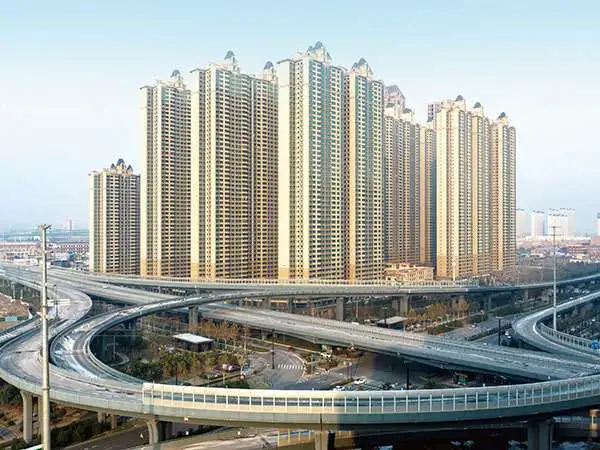
Uninspected Steel Before Arrival:
This can easily lead to insufficient load-bearing capacity later on. Strict material acceptance is essential.
Non-standard Welding Processes:
This results in low joint strength and a tendency for cracks. Welding operations should be standardized, and random inspections should be conducted.
Inappropriate Construction Environment:
Rain, snow, and high humidity affect the quality of the anti-corrosion coating. The construction environment should be strictly controlled.
Incomplete Acceptance Procedures:
This can easily lead to missed inspections of critical nodes. Complete acceptance record forms and on-site inspection reports should be established.
The quality acceptance of prefabricated steel structure projects is a comprehensive evaluation system involving multiple stages and standards, covering materials, construction techniques, structural safety, and appearance quality. By strictly implementing acceptance standards, construction companies can not only ensure project safety and durability but also improve construction efficiency, reduce rework costs, and win customer satisfaction and industry reputation.
Mastering and implementing these quality acceptance standards is key to enhancing a company's market competitiveness and professional image. For modern construction companies, scientific quality management and acceptance processes are the core guarantee for winning customer trust and securing more projects.
Fast Setup with Prefab Factory Buildings
2026-10-26Galvanized vs Painted Steel Structure: Which Anti-Corrosion Treatment Is Better?
2026-10-23Steel Factory Roofs: Choosing the Best Material for Your Climate
2026-10-19Smooth Shipment of Steel Structure Projects, Build Strength With Quality, Fulfill Commitments Through Reliable Delivery
2026-10-15Address: No.1 Shuangxiang Road, Luoxin Industrial Park, Luoyang City
E-mail: info@hcggsteel.com
Hotline: +8618800767079
Create the greatest value for customers
Provide the best quality products and services
+8618800767079
info@hcggsteel.com
No.1 Shuangxiang Road, Luoxin Industrial Park, Luoyang City