




Get a Quote
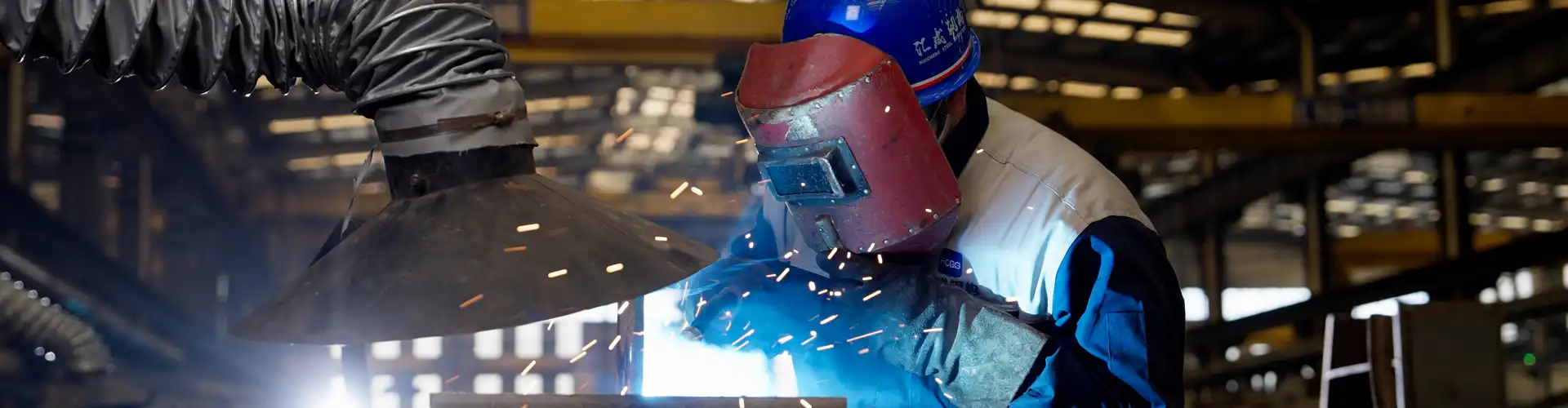
Establishing and maintaining a steel structure factory in a coastal area comes with unique advantages, including seamless access to shipping ports, proximity to raw materials, and optimized logistics for both import and export operations. Yet, alongside these benefits lies a formidable challenge: the persistent and aggressive impact of salt-laden air, high humidity, and fluctuating temperatures on steel infrastructure. Corrosion in such environments extends beyond mere cosmetic damage. It compromises structural integrity, increases operational risks, elevates long-term maintenance costs, and, if left unchecked, can lead to catastrophic equipment failures. For coastal steel factories, implementing rigorous anti-corrosion coating systems is not merely a technical recommendation—it is a strategic necessity to safeguard assets, ensure workforce safety, and maintain consistent production output.
Steel structures in marine and near-shore environments are uniquely vulnerable due to continuous exposure to chloride ions carried by salty air and occasional sea spray. These ions accelerate the electrochemical reactions that trigger rust formation, leading to pitting, surface degradation, and eventually structural weakening. Unlike inland facilities where corrosion progresses slowly and predictably, coastal steel factories face a highly dynamic environment, characterized by alternating wet and dry cycles, temperature swings, and strong ultraviolet exposure, all of which exacerbate material deterioration.
Moreover, the proximity to the ocean heightens the risk of galvanic corrosion, particularly when dissimilar metals are combined in structural components. Even coatings designed for protection can degrade faster due to repeated exposure to high-salinity conditions, necessitating frequent inspections and timely maintenance. Therefore, any coating system for a coastal steel facility must not only meet standard industrial specifications but often exceed them, being engineered specifically for harsh marine or near-shore applications.

ISO 12944: Protective Paint Systems for Steel Structures
The ISO 12944 series is widely recognized for providing detailed guidance on corrosion protection in a variety of environments, from urban industrial zones to offshore marine settings. Coastal steel factories typically fall under the C5-M category, defined as “very high” corrosivity in marine environments. Achieving C5-M compliance usually involves multi-layer coating systems, including:
Zinc-rich primers to provide cathodic protection and prevent early-stage rust formation.
Epoxy intermediate layers to create a robust barrier against moisture and chloride penetration.
Polyurethane or fluoropolymer topcoats to resist ultraviolet degradation and enhance surface durability, maintaining aesthetic quality over prolonged exposure.
ASTM Standards: Ensuring Performance in Real-World Conditions
The American Society for Testing and Materials (ASTM) provides rigorous methodologies to assess coating durability under simulated marine conditions:
ASTM B117: A standardized salt spray test that evaluates long-term resistance to chloride-laden moisture.
ASTM D610: Measures the degree of rusting on coated steel surfaces, ensuring the coating maintains adhesion and barrier protection.
By strictly adhering to ASTM testing protocols, coastal steel factories can quantify coating performance and predict maintenance intervals, reducing unexpected downtime and operational risks.
Even the most advanced anti-corrosion coatings cannot perform optimally on poorly prepared surfaces. Comprehensive surface preparation is essential:
Abrasive blasting to achieve near-white metal finish (Sa 2½ according to ISO 8501-1), removing mill scale, rust, and contaminants.
Surface profiling to ensure primers and intermediate coatings adhere effectively, increasing coating life under harsh coastal conditions.
Neglecting proper preparation can reduce coating adhesion and accelerate degradation, negating the protective benefits of expensive multi-layer systems.
In high-salinity environments, a single protective layer is insufficient. Coastal steel structures require a carefully designed, multi-layer system:
Zinc-rich primers – Offer cathodic protection, preventing initial corrosion even if minor scratches occur.
Epoxy intermediate coatings – Act as a robust barrier against water and chloride ion ingress.
Topcoat layer – Polyurethane or fluoropolymer finishes resist UV damage, chemical exposure, and mechanical wear.
Each layer’s thickness, adhesion, and curing time must follow ISO and ASTM guidelines precisely. Deviations in application or curing can compromise performance, leaving steel vulnerable to premature corrosion.
Implementation Challenges and Practical Best Practices
While standards provide the technical blueprint, real-world application requires attention to practical challenges:
Regular inspection and proactive maintenance: Even high-performance coatings deteriorate over time. Scheduled inspections allow early detection of corrosion, enabling timely touch-ups before minor issues escalate.
Targeted protection of vulnerable areas: Joints, weld seams, and edges are particularly susceptible to corrosion. Reinforcing these zones with additional coatings or sealants can dramatically extend service life.
Skilled personnel and training: Coating failure often stems from improper application. Staff must understand correct mixing ratios, application techniques, and curing protocols, especially in high-humidity coastal conditions.
Environmental control during application: Temperature fluctuations and excessive humidity can affect curing quality. Using temporary shelters or controlled environments ensures optimal coating performance.
Investing in comprehensive anti-corrosion coatings delivers immediate and long-term economic benefits:
Reduced maintenance costs: High-quality coatings decrease the frequency of repairs and surface treatments.
Extended asset lifespan: Steel structures withstand the harsh marine environment for decades longer.
Enhanced operational safety: Corrosion-resistant structures minimize the risk of structural failure, protecting personnel and machinery.
Competitive advantage: Reliability and durability are key differentiators in industrial markets, strengthening a company’s reputation and client trust.
Emerging technologies are expanding the possibilities for coastal corrosion resistance. Advanced coatings leveraging nanotechnology and polymer science offer:
Self-healing properties: Minor scratches and damages repair themselves, maintaining continuous protection.
Hydrophobic surfaces: Water and chloride ions are repelled, reducing corrosion rates.
Superior barrier performance: Advanced polymers resist penetration by aggressive salts even more effectively than traditional epoxy systems.
While conventional zinc-epoxy-polyurethane layers remain the industry standard, these innovations may redefine longevity standards for coastal steel facilities in the near future.
Operating a steel factory near the coast requires meticulous attention to corrosion prevention. By adhering to internationally recognized standards such as ISO 12944 and ASTM guidelines, employing thorough surface preparation, and implementing robust multi-layered coating systems, manufacturers can safeguard infrastructure against the relentless effects of marine environments. Beyond regulatory compliance, these measures drive tangible operational and financial benefits, ensuring long-term durability, safety, and efficiency.
For coastal steel manufacturers, the lesson is clear: investing in advanced, standards-compliant anti-corrosion coatings is not merely a maintenance expense—it is a strategic investment in resilience, operational continuity, and sustainable growth.
Smooth Shipment of Steel Structure Projects, Build Strength With Quality, Fulfill Commitments Through Reliable Delivery
2026-10-15Magnetic vs Bolted Steel Factories: Which Lasts Longer?
2026-10-12HCGG Steel Structure Showcases PEB Building Solutions at CONSTRUCTION INDONESIA & MINING 2026 in Jakarta
2026-10-10Steel Factory Permits: Zoning and Building Code Tips
2026-10-05Address: No.1 Shuangxiang Road, Luoxin Industrial Park, Luoyang City
E-mail: info@hcggsteel.com
Hotline: +8618800767079
Create the greatest value for customers
Provide the best quality products and services
+8618800767079
info@hcggsteel.com
No.1 Shuangxiang Road, Luoxin Industrial Park, Luoyang City