




Get a Quote
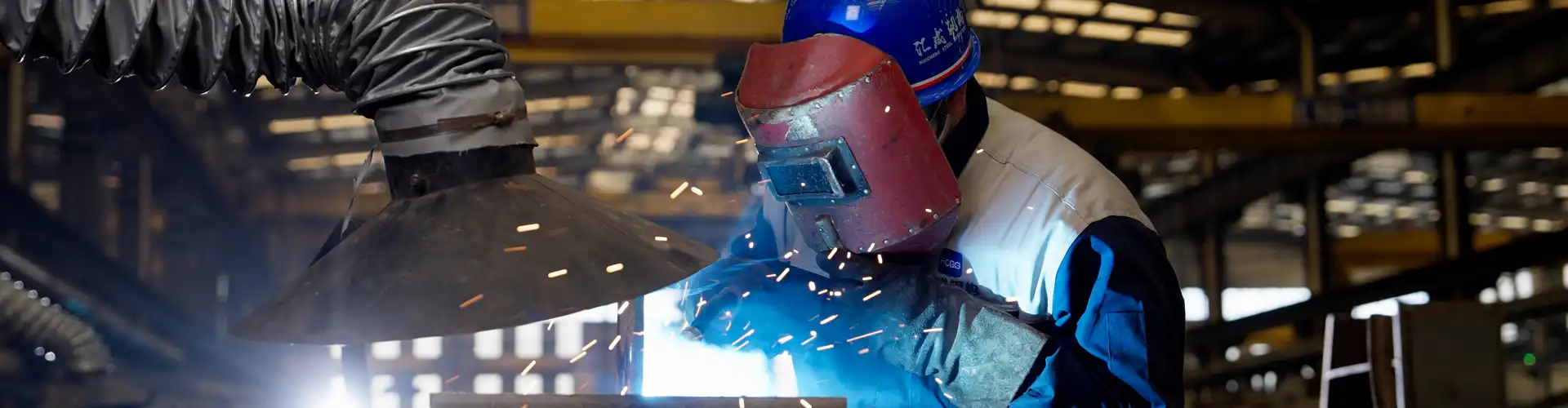
In today’s fast-paced commercial construction market, energy efficiency has evolved beyond environmental responsibility—it is now a crucial business strategy. Steel commercial buildings, celebrated for their strength, flexibility, and long lifespan, present unique opportunities to implement energy-saving solutions that can lower operating costs, improve tenant comfort, and enhance sustainability credentials. This guide explores the most practical and effective strategies for improving energy efficiency in steel commercial structures.
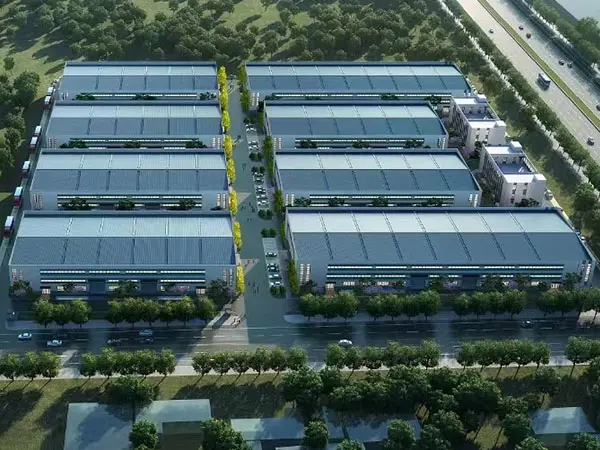
Insulation remains one of the most straightforward yet impactful measures to improve energy efficiency. Steel buildings, with their large open interiors and minimal thermal mass, are prone to significant heat gain and loss. Selecting high-performance insulation—such as spray foam, rigid foam panels, or insulated metal panels—can deliver:
Reduced thermal bridging caused by steel framing
Stable interior temperatures across all seasons
Lower heating and cooling costs, translating into measurable savings
Investing in premium insulation is not just an upfront expense; it is a long-term strategy that improves comfort, energy performance, and the building’s overall value. For commercial properties, the ROI can be substantial over time.
Steel roofs absorb and retain heat, which increases cooling loads in warmer climates. Applying reflective roof coatings or installing a “cool roof” can significantly mitigate this problem. Benefits include:
Reduced energy demand for air conditioning
Lower roof surface temperatures, minimizing thermal expansion and stress
Extended roof lifespan due to decreased heat-related wear
For buildings in sunny or urban environments, cool roof solutions can deliver substantial annual savings while contributing to the reduction of the urban heat island effect.
Large glass façades are common in steel commercial buildings, providing natural light and modern aesthetics. However, poor-quality glazing can increase heat gain in summer and heat loss in winter. Upgrading to energy-efficient windows or advanced glazing systems helps:
Maintain consistent indoor temperatures without sacrificing natural light
Improve energy performance ratings, such as LEED or BREEAM certification
Reduce reliance on HVAC systems, lowering energy bills
Double or triple glazing with low-emissivity (low-E) coatings balances daylighting needs with thermal efficiency, offering a practical, long-term solution for sustainable building operations.
Heating, ventilation, and air conditioning (HVAC) systems often account for the majority of energy consumption in commercial buildings. Optimizing these systems in steel structures involves:
Installing variable frequency drives (VFDs) to adjust pump and fan speeds efficiently
Implementing zoning strategies to heat or cool only occupied areas
Routine maintenance and performance monitoring to prevent energy waste
Integrating smart controls and energy management systems allows building operators to track usage patterns and optimize performance, ensuring comfort without excessive energy costs.
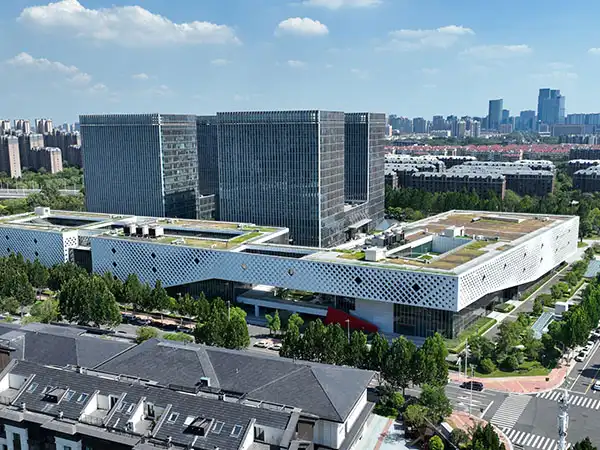
Lighting upgrades are often one of the fastest and most cost-effective ways to reduce energy use. Steel commercial buildings, with expansive interiors and high ceilings, benefit greatly from:
LED lighting, which consumes significantly less energy than traditional fixtures
Longer lifespan, reducing maintenance costs and downtime
Smart controls, including occupancy sensors and daylight harvesting, to optimize energy consumption
LED retrofits and automation can generate quick returns, making them an attractive option for both new builds and existing facilities.
For businesses aiming for long-term sustainability, integrating renewable energy—such as rooftop solar panels—is a highly effective strategy. Steel buildings’ structural strength makes them ideal candidates for photovoltaic systems, offering:
Reduced dependence on grid electricity, lowering operational costs
Eligibility for tax incentives or rebates, improving ROI
Enhanced corporate sustainability profile, which can attract tenants or investors
When combined with energy-efficient design measures, renewable energy solutions provide a holistic approach to minimizing both environmental impact and utility expenses.
Steel commercial buildings are inherently durable, versatile, and ideal for modern construction projects. However, without deliberate energy efficiency measures, operating costs can quickly escalate. By investing in high-performance insulation, reflective roofs, energy-efficient glazing, optimized HVAC systems, LED lighting, and renewable energy, building owners and developers can significantly reduce energy consumption, enhance occupant comfort, and achieve meaningful cost savings.
Energy efficiency is no longer just a trend—it is a strategic investment in the building’s future. Commercial property managers who implement these strategies today will enjoy long-term financial benefits, improved sustainability credentials, and a competitive edge in the market.
Fast Setup with Prefab Factory Buildings
2026-10-26Galvanized vs Painted Steel Structure: Which Anti-Corrosion Treatment Is Better?
2026-10-23Steel Factory Roofs: Choosing the Best Material for Your Climate
2026-10-19Smooth Shipment of Steel Structure Projects, Build Strength With Quality, Fulfill Commitments Through Reliable Delivery
2026-10-15Address: No.1 Shuangxiang Road, Luoxin Industrial Park, Luoyang City
E-mail: info@hcggsteel.com
Hotline: +8618800767079
Create the greatest value for customers
Provide the best quality products and services
+8618800767079
info@hcggsteel.com
No.1 Shuangxiang Road, Luoxin Industrial Park, Luoyang City