




Get a Quote
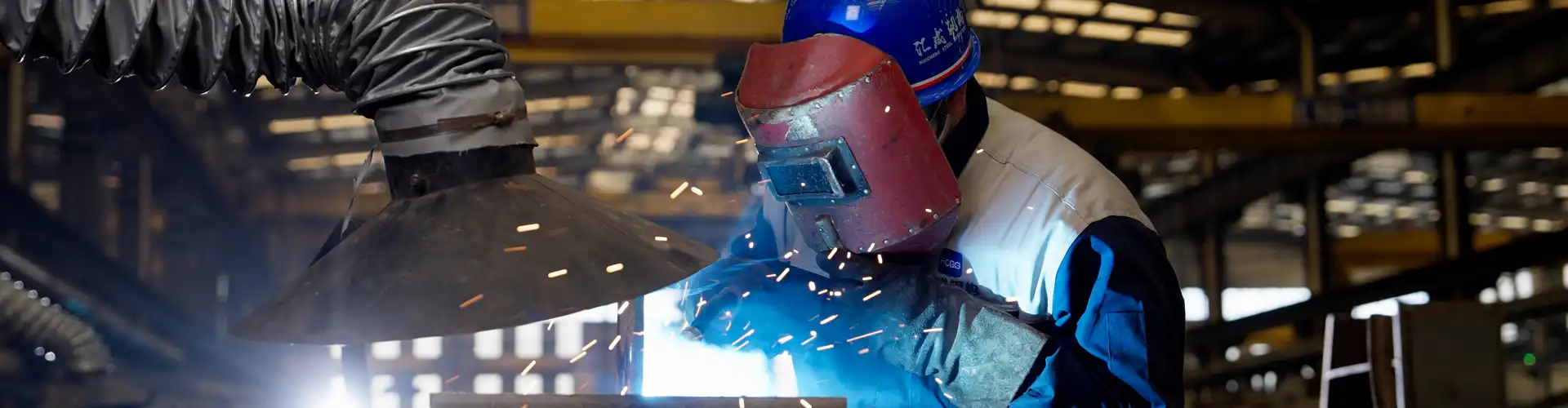
Against the backdrop of the global construction industry's ongoing development and transformation, prefabricated steel buildings are rapidly reshaping traditional construction methods with their unique advantages, becoming the material of choice for modern building projects. Whether in industrial steel construction, large-scale warehousing and logistics centers, or commercial complexes and public facilities, high-quality steel structural components from leading steel structure factories demonstrate unprecedented construction efficiency, design flexibility, durability, and environmental sustainability. This has led to their gradual replacement of traditional concrete and masonry structures, establishing them as the new standard in the construction industry.
Factory-based production and modular construction enhance construction efficiency and quality consistency. Through standardized manufacturing within steel structure factories, modular steel components can be rapidly assembled on-site, significantly shortening project timelines while reducing material waste and construction costs. This highly industrialized construction model not only ensures controllable project schedules but also provides reliable assurance for large-scale industrial plant and warehouse construction.
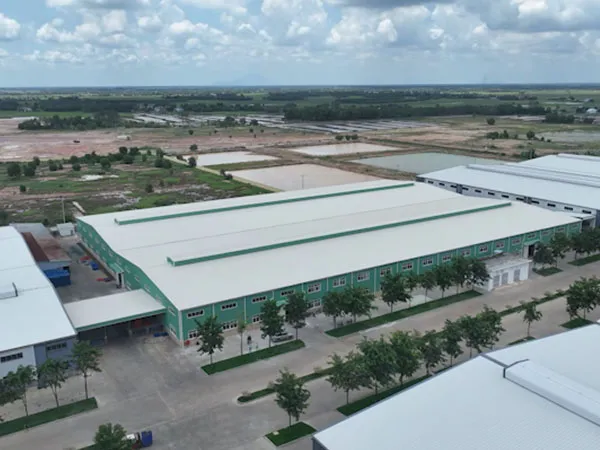
Traditional construction typically relies on on-site pouring or layer-by-layer assembly, which not only extends project timelines but also makes it susceptible to weather, site conditions, and labor factors, often leading to delays or cost overruns. Prefabricated steel structures, however, adopt a standardized factory production model. Components are prefabricated in a controlled workshop environment, requiring only assembly on-site. This approach offers multiple advantages:
Significantly Reduced Construction Time: Industry data indicates prefabricated steel projects typically complete 30%-50% faster than traditional concrete structures, offering substantial benefits for industrial plants and logistics warehouses requiring rapid delivery.
Cost Control: Factory production reduces reliance on highly skilled on-site labor while minimizing material waste and construction errors, making project budgets more manageable.
Consistent Quality: Factory production rigorously controls every welding, cutting, and anti-corrosion process, ensuring precise component dimensions and balanced structural strength, thereby minimizing on-site rework.
This highly efficient, high-quality construction method not only meets modern enterprises' demand for rapid delivery but also enhances overall project management control and safety.
The high strength and lightweight properties of steel grant architects and engineers greater design freedom. Large-span spaces, modular layouts, and scalability represent the most significant design advantages of prefabricated steel structures.
Large-Span Spaces: Warehouses and industrial production facilities often require column-free areas for vehicle access or equipment layout. Prefabricated steel structures can achieve spans exceeding 30 meters or even 50 meters without additional supports, ensuring flexible interior space utilization.
Modular Expansion: Standardized prefabricated components allow rapid addition or removal of building sections based on operational needs. This enables factories, logistics centers, or warehouse complexes to adapt flexibly to business changes.
Diverse Aesthetic Design: Modern steel structures transcend industrial applications. By combining various profiles and exterior materials, they can create commercial complexes, exhibition halls, and even contemporary office buildings, balancing aesthetics with functionality.
For instance, leading logistics companies utilize modular prefabricated steel structures to rapidly construct sorting centers. The main structure is typically completed within weeks, whereas traditional methods might take months.
As the construction industry accelerates its green transformation, the environmental advantages of prefabricated steel structures become increasingly evident:
High recyclability: Steel is 100% recyclable. After building demolition, it can be remelted and reused, minimizing resource waste.
Reduced construction waste: Factory production minimizes material wastage on-site while decreasing reliance on traditional materials like mortar, concrete, and timber.
Energy Conservation and Emissions Reduction: Standardized production processes minimize energy consumption, while transporting prefabricated modules optimizes logistics efficiency, further lowering carbon emissions.
In Europe and North America, several cities have incorporated prefabricated steel structures into green building certification systems (e.g., LEED) as key sustainability benchmarks. For builders and developers seeking to enhance their environmental credentials, adopting prefabricated steel structures represents not only an economic decision but also a demonstration of brand value.
Safety remains a core metric for construction projects, and prefabricated steel structures excel in seismic resistance, wind load capacity, and fire resistance:
Seismic Performance: Steel structures possess high ductility, absorbing significant energy during earthquakes to minimize structural damage.
Wind Load Resistance: Properly designed large-span steel structures withstand strong winds and industrial loads, adapting to diverse extreme environments.
Corrosion Resistance and Fire Protection: Modern steel structures utilize anti-corrosion coatings and fire-resistant treatments, achieving lifespans exceeding 50 years—far surpassing traditional timber or masonry structures.
Additionally, standardized construction processes like welding and bolted connections in prefabricated steel construction are strictly controlled, significantly reducing on-site safety risks and providing reliable assurance for enterprises.
Industrial Plant Construction: A major automotive parts manufacturer utilized prefabricated steel structures for its production workshop, reducing the anticipated six-month construction timeline to just three months for the main structure.
Logistics Warehousing: A globally renowned e-commerce company employed modular steel structures for its European sorting center, erecting over 20,000 square meters of warehouse space in only six weeks.
Commercial Complexes: Several cities have adopted steel structures for large exhibition halls and office buildings, achieving cost savings while enabling flexible layouts and meeting environmental sustainability goals.
These examples demonstrate that prefabricated steel structures significantly outperform traditional construction methods in speed, cost, and sustainability, emerging as a primary driver of innovation in the construction industry.
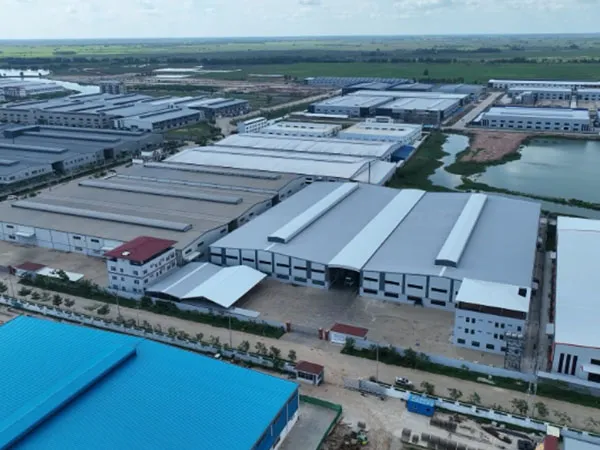
With advancements in industrialized and intelligent construction technologies, prefabricated steel structures will play a central role in an expanding range of building types. Integrating BIM (Building Information Modeling), intelligent welding, and modular design technologies, future steel fabrication plants and construction projects will become more efficient, flexible, green, and safe.
For enterprises, adopting prefabricated steel structures not only enables rapid delivery and cost reduction but also shapes a modern corporate image while delivering long-term value in green building and sustainability. For the construction industry, prefabricated steel structures are driving the sector toward a more efficient, eco-friendly, and sustainable future through technological innovation.
Prefabricated steel structures are fundamentally transforming the construction industry through enhanced construction efficiency, design flexibility, sustainability, and safety durability. Factory production, large-span spaces, modular scalability, and environmental advantages make it an indispensable core choice for modern construction. With continuous technological advancement and growing market demand, prefabricated steel structures will lead the construction industry into a new era of greater efficiency, greener practices, and smarter solutions.
Address: No.1 Shuangxiang Road, Luoxin Industrial Park, Luoyang City
E-mail: info@hcggsteel.com
Hotline: +8618800767079
Create the greatest value for customers
Provide the best quality products and services
+8618800767079
info@hcggsteel.com
No.1 Shuangxiang Road, Luoxin Industrial Park, Luoyang City