




Get a Quote
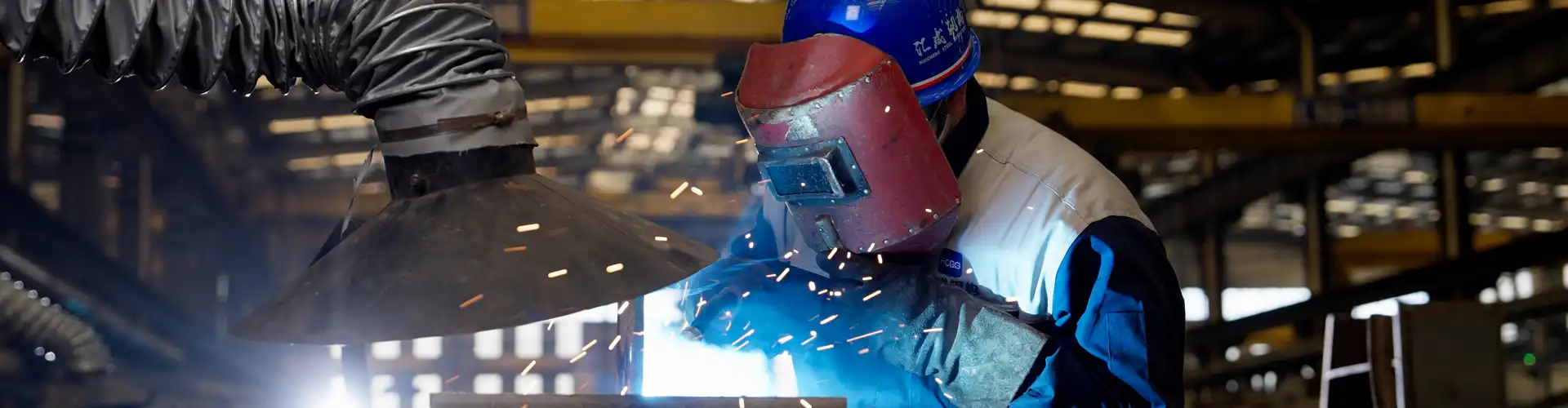
When planning a new office building, one of the first questions every business owner or developer asks is: “How much will it cost per square foot?” The answer is more complex than a single number. Costs depend on building size, design complexity, materials, labor, and site conditions. Steel structure construction is increasingly chosen for office buildings because it offers unmatched strength, flexibility, and durability. But to make informed decisions, you need to understand all the factors that drive cost.
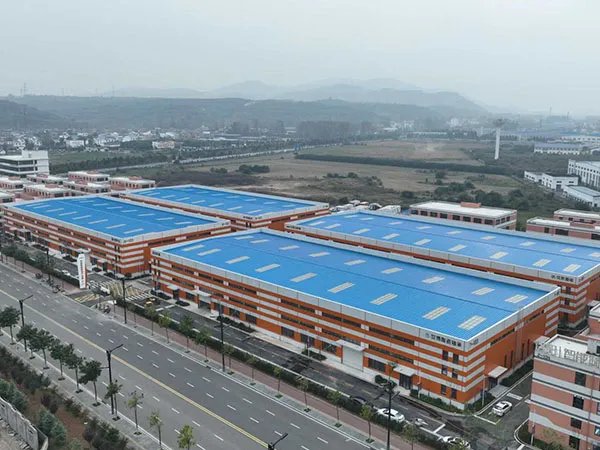
Steel structure buildings are preferred in modern office construction for several reasons:
Durability: Steel structures resist pests, mold, fire, and water damage. Unlike wood or concrete, steel doesn’t warp or crack over time, which reduces maintenance costs and extends the building’s lifespan.
Design Flexibility: Steel allows for open floor plans, large windows, and multi-story layouts. It’s ideal for creating collaborative office spaces, adaptable meeting areas, and future expansion.
Speed of Construction: Prefabricated steel components are manufactured off-site and quickly assembled on-site. This can reduce construction time by weeks or months, allowing offices to open sooner and saving labor costs.
Sustainability: Steel is 100% recyclable and can be reused in future projects, making it an environmentally responsible choice for businesses committed to green building practices.
While these benefits make steel an attractive option, they also impact the cost per square foot.
The cost to build a steel frame office building typically ranges between $120 and $250 per square foot in the U.S., but actual costs can vary significantly based on the following:
1. Building Size and Design Complexity
Economies of Scale: Larger buildings usually have a lower cost per square foot because bulk materials reduce unit prices.
Architectural Features: Complex designs, such as curved facades, multi-level atriums, or custom rooflines, increase labor and material costs. Even small design changes can have a noticeable impact on the budget.
2. Quality and Grade of Steel
Standard vs. High-Grade Steel: High-strength, corrosion-resistant steel increases upfront costs but improves longevity and reduces maintenance.
Coatings and Treatments: Weather-resistant coatings or anti-rust treatments are recommended in humid or coastal areas, slightly increasing material costs but protecting the building for decades.
3. Location and Labor Costs
Regional Variations: Urban centers often have higher labor rates, permit fees, and regulatory requirements. Rural areas may offer lower costs but could add shipping and logistics fees for materials.
Labor Availability: Skilled steel workers are essential. A shortage of experienced labor in your region can increase construction time and costs.
4. Interior Finishes and Office Systems
Finishes: Flooring, walls, ceilings, lighting, and furniture all add to the per-square-foot cost. High-end finishes will naturally increase expenses.
Technology Integration: Modern offices often require advanced HVAC, electrical systems, network infrastructure, and smart office solutions—all of which contribute to overall costs.
Energy Efficiency: Installing energy-efficient windows, insulation, and lighting reduces long-term operating costs, but adds to the initial investment.
5. Site Preparation and Foundation Requirements
Terrain and Soil Conditions: Uneven terrain or weak soil may require extensive grading, pilings, or reinforced foundations, which increase costs.
Local Regulations: Building codes, zoning laws, and environmental regulations may require additional permits or engineering work.
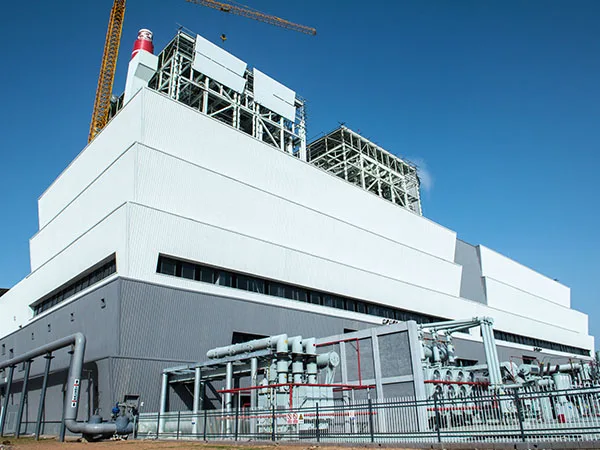
Even with steel construction, there are strategies to optimize your budget:
Use Prefabricated Components: Pre-engineered steel reduces on-site labor, waste, and construction errors.
Simplify Design: Standardized layouts minimize custom fabrication and speed up assembly.
Plan for Energy Efficiency: Investing in insulation, energy-efficient windows, and HVAC systems reduces long-term utility bills, providing substantial savings over time.
Phased Construction: If your project allows, building in phases can help manage cash flow and spread out expenses.
Real-World Examples
A 10,000 sq. ft. suburban office building with standard finishes and moderate complexity might cost around $130–$150 per square foot.
A 50,000 sq. ft. urban headquarters with high-end finishes, custom features, and advanced office systems could reach $220–$250 per square foot.
Site conditions, material selection, and labor availability can swing the final cost up or down by 10–20%, highlighting the importance of detailed planning.
Estimating the cost per square foot for a steel frame office building is never one-size-fits-all. It requires careful consideration of:
Design complexity
Material quality
Labor and location factors
Site preparation
Interior finishes and office systems
Steel framing provides an excellent balance of durability, flexibility, and speed, making it ideal for both small office parks and large corporate headquarters. By understanding the key cost drivers and planning strategically, businesses can build high-quality, functional office spaces that offer long-term value.
In short, steel construction may have a higher upfront cost than traditional materials, but with proper planning, it delivers savings in maintenance, adaptability, and longevity—making it a smart investment for the future.
Steel Factory Roofs: Choosing the Best Material for Your Climate
2026-10-19Smooth Shipment of Steel Structure Projects, Build Strength With Quality, Fulfill Commitments Through Reliable Delivery
2026-10-15Magnetic vs Bolted Steel Factories: Which Lasts Longer?
2026-10-12HCGG Steel Structure Showcases PEB Building Solutions at CONSTRUCTION INDONESIA & MINING 2026 in Jakarta
2026-10-10Address: No.1 Shuangxiang Road, Luoxin Industrial Park, Luoyang City
E-mail: info@hcggsteel.com
Hotline: +8618800767079
Create the greatest value for customers
Provide the best quality products and services
+8618800767079
info@hcggsteel.com
No.1 Shuangxiang Road, Luoxin Industrial Park, Luoyang City