




Get a Quote

In modern industrial supply chains, steel logistics warehouses have become the backbone of high-volume storage, handling, and distribution operations. As global trade expands and warehouse throughput continues to rise, the loading dock is no longer a secondary architectural detail. Instead, it has become a critical operational interface that directly influences efficiency, safety, energy consumption, and overall logistics performance.
A well-designed loading dock for heavy-duty steel logistics warehouses must be engineered to withstand continuous impact loads, accommodate diverse vehicle types, and support fast-paced material handling processes without compromising structural integrity. This article explores the essential design principles, technical considerations, and long-term operational strategies that define an efficient loading dock system.
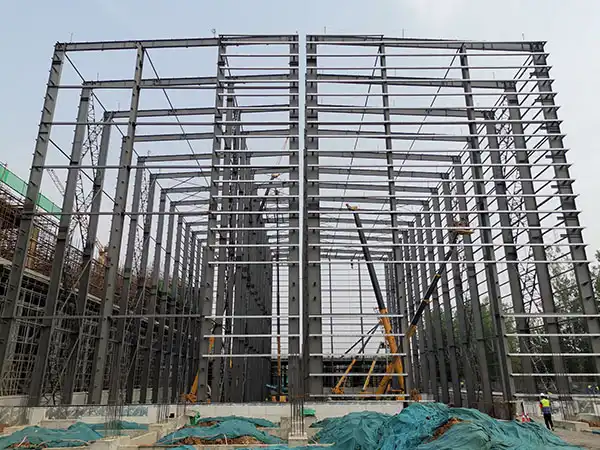
A loading dock serves as the transition point between transportation systems and internal warehouse operations. In steel logistics environments, where goods often include heavy coils, structural components, machinery parts, or bulk metal products, this interface must be designed for durability and precision.
A properly engineered loading dock does more than facilitate loading and unloading. It directly impacts:
Turnaround time for trucks and trailers
Safety of workers and equipment
Energy efficiency inside temperature-controlled warehouses
Protection of stored goods from environmental exposure
Structural lifespan of the building envelope
When warehouse operators underestimate dock design, they often face bottlenecks, equipment damage, and rising maintenance costs over time. Therefore, integrating loading dock planning at the earliest stage of warehouse design is essential.
Steel logistics warehouses typically handle high axle loads and frequent truck traffic. As a result, loading dock structures must be reinforced to absorb repeated impact stress.
Reinforced Dock Platform Design
The dock platform must be constructed with high-strength reinforced concrete or steel framing systems capable of supporting dynamic loads. Engineers typically calculate load-bearing capacity based on the heaviest expected forklift operations, fully loaded trucks, and occasional impact forces during docking.
In heavy-duty environments, the dock edge is often reinforced with steel angles or edge beams to prevent cracking and deformation caused by repeated trailer contact.
Dock Height Optimization
Standard dock height usually ranges between 1,100 mm and 1,300 mm, but steel logistics warehouses may require customized adjustments depending on vehicle fleet specifications. Consistency in dock height alignment reduces the risk of cargo damage and improves loading speed.
A critical component of any loading dock system is the dock leveler, which bridges the gap between warehouse floors and truck beds.
Hydraulic and Mechanical Dock Levelers
Hydraulic dock levelers are widely used in heavy-duty warehouses due to their stability, smooth operation, and ability to handle large load variations. Mechanical levelers may still be used in cost-sensitive projects but typically require more manual maintenance.
In steel logistics operations, dock levelers must support high weight capacities, often exceeding 60,000 lbs or more, depending on operational requirements.
Safety Integration
Modern dock systems incorporate safety features such as:
Anti-slip surfaces
Automatic lip extension systems
Emergency stop controls
Load sensors and alarms
These features significantly reduce workplace accidents and improve operational reliability.
In steel logistics warehouses that store temperature-sensitive materials or operate in controlled environments, dock seals and shelters play a crucial role.
A well-sealed dock prevents:
Heat loss in winter climates
Dust and moisture infiltration
Pest intrusion
Air pressure imbalance during loading cycles
Inflatable dock shelters or foam compression seals are commonly used to create tight connections between trailers and warehouse openings. This not only improves energy efficiency but also enhances product protection, especially for precision steel components or coated materials.
Efficient loading dock design must consider internal and external traffic flow. Poor layout design can result in congestion, delays, and increased accident risks.
External Truck Circulation
Warehouses should provide sufficient turning radius space for heavy trucks and trailers. One-way traffic systems are often preferred in high-volume logistics centers to minimize conflicts between incoming and outgoing vehicles.
Internal Material Flow
Inside the warehouse, forklift routes should be clearly separated from pedestrian pathways. The loading dock should be positioned to minimize travel distance between storage zones and dispatch areas.
A streamlined flow design reduces idle time and significantly improves overall productivity.
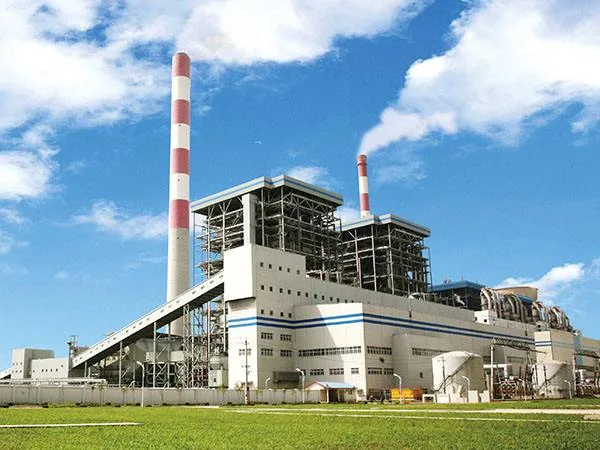
Safety is a fundamental requirement in loading dock engineering, especially in heavy-duty steel logistics warehouses where equipment and cargo weights are substantial.
Key safety design elements include:
Wheel chocks and vehicle restraint systems
High-visibility dock markings and lighting
Anti-collision barriers
Fire-resistant dock materials where required
Slip-resistant flooring surfaces
Regular inspection and preventive maintenance protocols also play a critical role in minimizing operational risks.
Loading docks are exposed to outdoor conditions, which makes drainage and environmental protection essential design aspects.
Proper slope design ensures that rainwater, melting snow, or industrial liquids do not accumulate at the dock surface. Drainage channels and water-resistant coatings help maintain safe working conditions and protect structural components from corrosion.
In steel logistics environments, where metallic materials are frequently handled, corrosion control is particularly important to preserve long-term durability.
With the development of Industry 4.0 technologies, loading dock systems are increasingly integrated with automation and digital monitoring tools.
Smart loading dock systems may include:
Automated dock levelers
Sensor-based truck positioning systems
Real-time loading data tracking
Warehouse management system (WMS) integration
These technologies help reduce human error, optimize scheduling, and improve operational transparency.
In high-volume steel logistics warehouses, automation can significantly increase throughput while reducing labor dependency.
Even the most advanced loading dock system requires regular maintenance to ensure continuous performance. A preventive maintenance plan should include:
Routine inspection of dock levelers and hydraulic systems
Checking structural integrity of dock edges and bumpers
Testing safety restraint systems
Cleaning and lubricating moving components
Verifying sealing performance and insulation conditions
Neglecting maintenance can lead to costly downtime and safety hazards, especially in high-frequency industrial environments.
Loading dock design for heavy-duty steel logistics warehouses is not simply an architectural feature; it is a core operational system that directly impacts efficiency, safety, and profitability.
A successful design integrates structural engineering, logistics planning, safety management, and modern automation technologies into a unified system. When properly executed, it enables faster turnaround times, lower operational costs, and improved asset longevity.
As global supply chains continue to demand higher efficiency and reliability, investing in a well-structured loading dock system becomes a strategic decision rather than a basic construction requirement. Companies that prioritize robust dock engineering will gain a competitive advantage in logistics performance and long-term operational stability.
HCGG Steel Structure Showcases PEB Building Solutions at CONSTRUCTION INDONESIA & MINING 2026 in Jakarta
2026-10-10Steel Factory Permits: Zoning and Building Code Tips
2026-10-05How to Choose the Right Roof and Wall Panels for Steel Buildings
2026-09-30How Tall Can a Steel Structure Factory Safely Be?
2026-09-28Address: No.1 Shuangxiang Road, Luoxin Industrial Park, Luoyang City
E-mail: info@hcggsteel.com
Hotline: +8618800767079
Create the greatest value for customers
Provide the best quality products and services
+8618800767079
info@hcggsteel.com
No.1 Shuangxiang Road, Luoxin Industrial Park, Luoyang City