Get a Quote
Selecting the right roofing material for a steel factory is a long-term investment that directly impacts energy efficiency, maintenance cycles, and structural integrity. The choice becomes significantly more nuanced when factoring in local climate conditions—what works in a dry, temperate zone may fail prematurely in a region with heavy snow loads or intense UV radiation. This article provides a systematic comparison of the most common steel factory roof materials, evaluates their performance across different climate profiles, and offers actionable guidance to help facility managers and building owners make an informed decision. Throughout the discussion, we reference industry best practices and insights from HCGG, a trusted name in industrial roofing solutions.
Four primary material categories dominate the steel factory roofing market: standing seam metal, single-ply membranes (TPO and PVC), and modified bitumen. Each offers distinct advantages and trade-offs depending on climate demands.
Standing seam metal roofs are the traditional choice for steel buildings. Made from steel, aluminum, or copper, they feature interlocking panels that rise above the roof plane. Benefits include exceptional durability (50+ year lifespan), high wind resistance, and recyclability. However, they conduct heat readily and can be susceptible to corrosion in salt-laden or acidic environments without proper coatings.
TPO is a single-ply membrane that has gained popularity for its reflective properties and heat-welded seams. It offers excellent energy efficiency in hot climates due to high solar reflectance, but may have lower puncture resistance and can degrade under prolonged UV exposure if not formulated with high-quality stabilizers.
PVC membranes share many similarities with TPO but typically offer superior chemical resistance and fire ratings. They perform well in cool and wet climates because of their resistance to ponding water and microbial growth. On the downside, plasticizers can leach out over time, causing embrittlement in very cold conditions.
Modified bitumen (APP or SBS) is an asphalt-based built-up system often used as a cap sheet. It provides excellent waterproofing and impact resistance, making it suitable for areas with hail or heavy foot traffic. However, its dark surface absorbs heat, increasing cooling loads, and it has a shorter lifespan (15–20 years) compared to metal.
The table below summarizes how each material performs in five critical climate factors: heat, cold, precipitation, snow loads, and wind.
Is your facility located in a region with extreme heat, heavy snow, salt spray, or frequent storms? Prioritize the material that best addresses that stressor. For example, a factory in Phoenix should focus on solar reflectance and thermal expansion management, while one in Buffalo needs excellent snow shedding and freeze-thaw resilience.
Initial material cost is only part of the equation. Metal roofs have the highest upfront cost but lowest maintenance over 40+ years. TPO offers good value with moderate lifespan (20–30 years) and easy repair. Modified bitumen is inexpensive but may require replacement sooner. HCGG recommends running a 25-year net present value analysis including energy savings, repair frequency, and disposal costs.
Rooftop equipment, skylights, and penetrations affect material selection. Single-ply membranes are easier to flash around penetrations. Metal roofs can accommodate skylights with curbs but require more custom flashing. HCGG has found that for factories with heavy HVAC loads, a reflective membrane significantly reduces structural cooling demand.
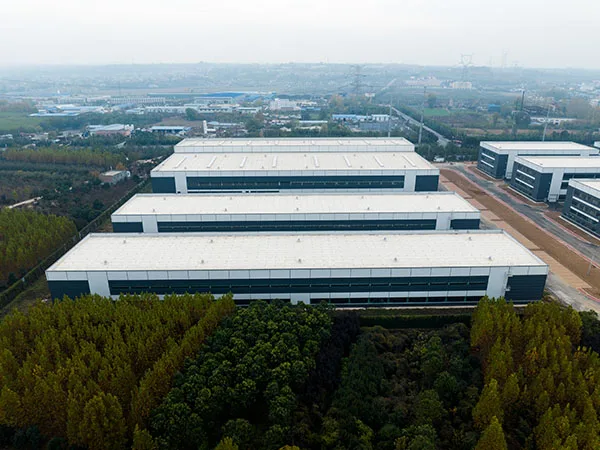
HCGG’s team of industrial roofing specialists has installed thousands of square feet of steel factory roofing across diverse climates. Based on their field experience, here are actionable recommendations:
HCGG emphasizes that proper installation is as critical as material selection. Even the best material will fail if seams are not welded correctly or flashings are inadequate. Always work with certified contractors who understand local building codes and climate nuances.
Yes, retrofitting a metal roof over an existing single-ply or bitumen roof is common, provided the structure can support the additional weight and the old roof is prepared properly. HCGG typically recommends removing saturated insulation before overlay to avoid moisture entrapment.
Use a vapor barrier on the warm side (interior) and ensure adequate ridge and eave ventilation. A closed-cell spray foam insulation system applied directly to the roof deck can also prevent condensation by eliminating air movement.
TPO membranes usually come with 15–20 year manufacturer warranties. Metal roofs often carry 20–40 year warranties on the material, and 10–20 years on the finish (paint or coating). HCGG advises reading the fine print: some warranties exclude labor or require annual inspections.
Choosing the best steel factory roof material for your climate is a strategic decision that affects energy bills, downtime, and asset lifespan. By weighing the pros and cons outlined above and consulting with professionals like HCGG, you can select a roofing solution that performs reliably for decades.
Steel Factory Roofs: Choosing the Best Material for Your Climate
2026-10-19Smooth Shipment of Steel Structure Projects, Build Strength With Quality, Fulfill Commitments Through Reliable Delivery
2026-10-15Magnetic vs Bolted Steel Factories: Which Lasts Longer?
2026-10-12HCGG Steel Structure Showcases PEB Building Solutions at CONSTRUCTION INDONESIA & MINING 2026 in Jakarta
2026-10-10Address: No.1 Shuangxiang Road, Luoxin Industrial Park, Luoyang City
E-mail: info@hcggsteel.com
Hotline: +8618800767079
Create the greatest value for customers
Provide the best quality products and services
+8618800767079
info@hcggsteel.com
No.1 Shuangxiang Road, Luoxin Industrial Park, Luoyang City