


Get a Quote
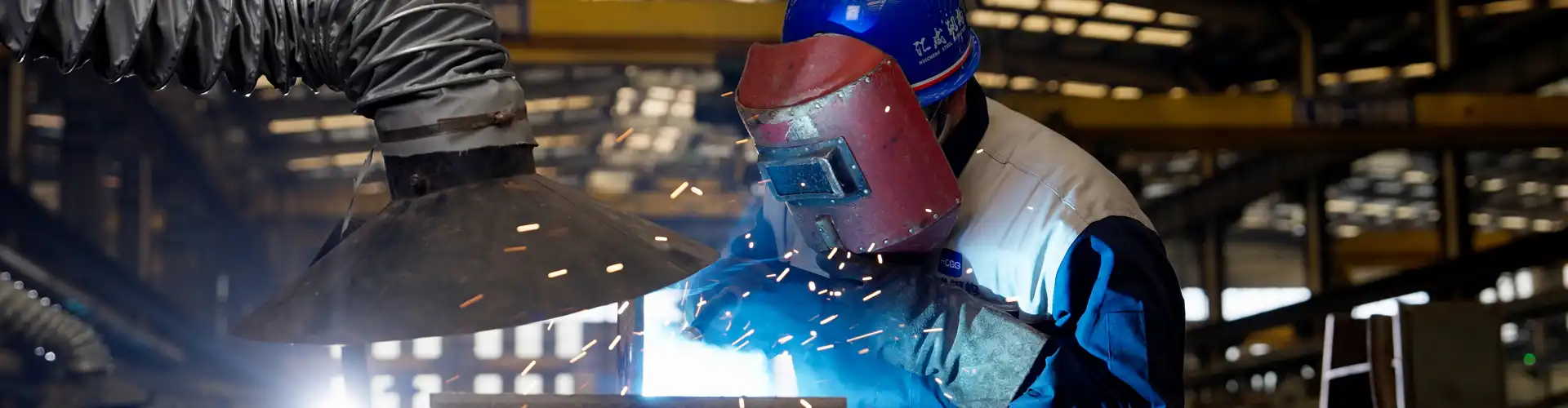
Roof and wall panels are essential components of modern steel structure buildings. They not only provide protection against wind, rain, and other environmental conditions but also contribute to the building's thermal performance, structural integrity, and overall appearance.
Whether used in industrial workshops, warehouses, commercial buildings, or agricultural facilities, proper installation and routine maintenance play an important role in ensuring the long-term performance of metal building systems.
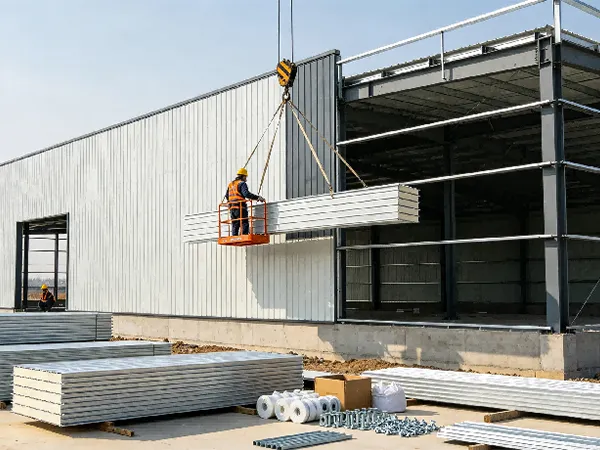
The quality of roof and wall panel installation directly affects the overall performance of a steel building. Before installation begins, the supporting steel structure, including purlins, girts, and connecting components, should be inspected to ensure that all dimensions, spacing, and alignment meet the design requirements.
During installation, several key points should be carefully considered:
Panel Alignment: Ensure that roof and wall panels are properly aligned to maintain a neat and consistent appearance.
Correct Overlapping: Follow the specified side-lap and end-lap requirements to prevent water leakage.
Fastener Installation: Use suitable self-drilling screws and sealing washers, ensuring proper fastening without damaging the panel surface.
Flashing and Waterproofing: Install ridge caps, corner flashings, eave flashings, and other accessories correctly to improve weather resistance.
Roof Drainage: Ensure that roof slopes, gutters, and downpipes are properly installed to allow efficient rainwater drainage.
For insulated sandwich panels, special attention should also be paid to joint connections and sealing details to minimize thermal bridges and improve insulation performance.
Roof panels are continuously exposed to sunlight, rain, wind, temperature variations, and other environmental factors. Regular inspections can help identify potential problems before they develop into costly repairs.
Recommended maintenance practices include:
Inspect roof panels periodically for scratches, corrosion, loose fasteners, or damaged coating.
Check panel overlaps, ridge caps, and flashing connections for signs of water leakage.
Remove accumulated leaves, dust, branches, and other debris from the roof and drainage system.
Check gutters and downpipes regularly to prevent blockages and water accumulation.
Repair damaged protective coatings promptly to prevent corrosion from spreading.
When conducting roof inspections, appropriate fall protection and safety equipment must always be used. Workers should avoid walking directly on unsupported or fragile roof panels.
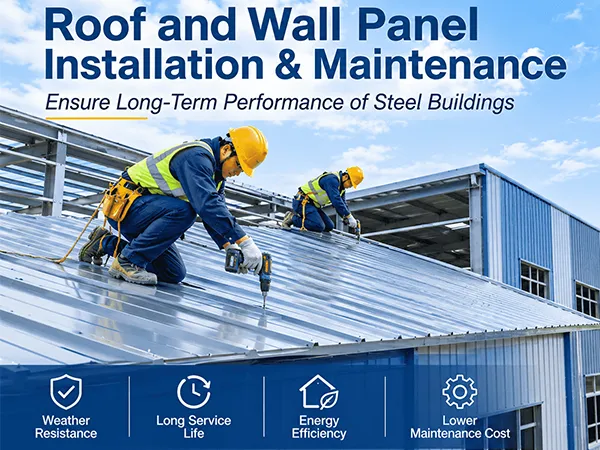
Although wall panels are generally less exposed to direct water accumulation than roof panels, they still require regular inspection and maintenance.
Particular attention should be given to the following areas:
Inspect wall panel surfaces for dents, scratches, fading, and corrosion.
Check the fastening points to ensure that screws remain secure.
Examine vertical and horizontal panel joints for gaps or deteriorated sealants.
Inspect corner trims, door and window flashings, and wall-to-roof connections.
Clean the panel surfaces using suitable cleaning methods to remove dirt and environmental contaminants.
For buildings located in coastal, industrial, or high-humidity environments, more frequent inspections may be necessary due to increased corrosion risks.
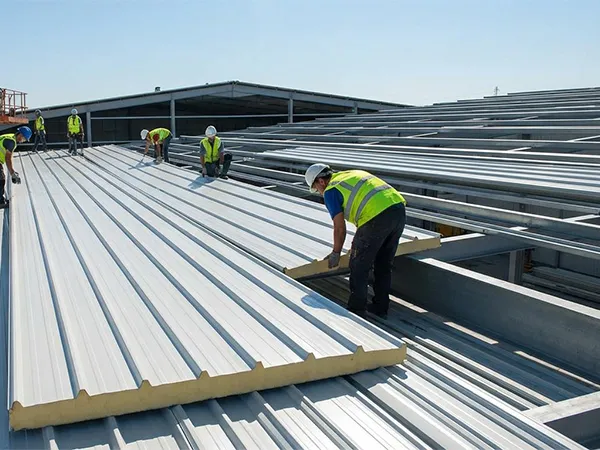
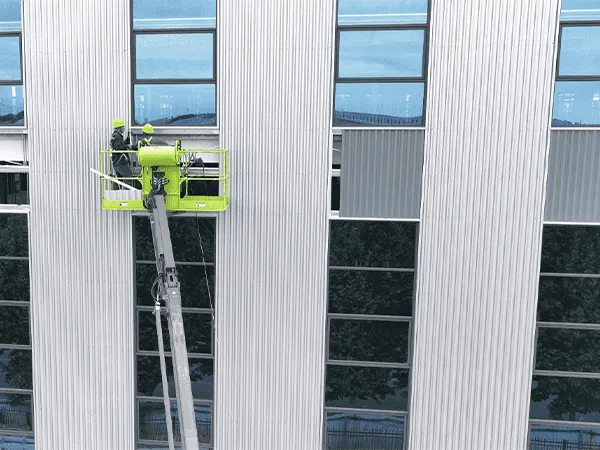
Some common problems associated with metal roof and wall systems can be prevented through proper installation and timely maintenance.
| Common Problem | Possible Cause | Recommended Solution |
|---|---|---|
| Roof leakage | Improper overlapping or damaged sealant | Re-seal joints and inspect flashing |
| Loose fasteners | Improper installation or vibration | Replace or retighten fasteners |
| Surface corrosion | Coating damage or harsh environmental exposure | Clean and apply suitable protective coating |
| Blocked gutters | Accumulated leaves and debris | Clean drainage channels regularly |
| Panel deformation | Improper handling or excessive loading | Replace damaged panels and check support spacing |
Early detection and repair can significantly reduce maintenance costs and help extend the service life of the building envelope.
A high-quality metal building envelope depends on more than just the selection of roof and wall panels. Proper engineering design, reliable materials, professional installation, and systematic maintenance all contribute to long-term building performance.
Choosing suitable panel materials and protective coatings according to the local climate and operating environment is equally important. Regular inspections and timely repairs can help maintain waterproofing performance, corrosion resistance, and the overall appearance of the building.
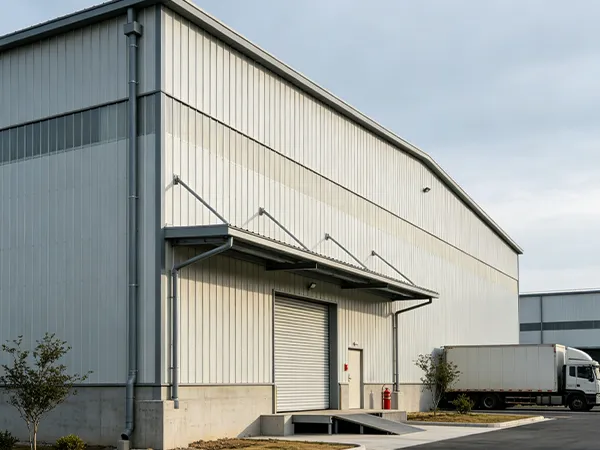
Proper installation and regular maintenance of roof and wall panels are essential for protecting steel buildings and ensuring long-term operational reliability.
By following recommended installation procedures, conducting periodic inspections, and addressing potential issues promptly, building owners can reduce maintenance costs, improve weather resistance, and maximize the service life of their steel building systems.
Looking for reliable steel building solutions? Our team provides steel structure building systems and supporting roof and wall panel solutions for industrial and commercial projects. Contact us to discuss your project requirements and find the right solution for your building.
Roof and Wall Panel Installation & Maintenance: Ensuring Long-Term Performance of Steel Buildings
2026-11-13How to Choose Prefab Factory Buildings
2026-11-09How Fast Can a Steel Structure Building Be Completed? Construction Cycle Advantages Explained
2026-11-06What Do Steel Prefab Factory Buildings Cost?
2026-11-02Address: No.1 Shuangxiang Road, Luoxin Industrial Park, Luoyang City
E-mail: info@hcggsteel.com
Hotline: +8618800767079
Create the greatest value for customers
Provide the best quality products and services
+8618800767079
info@hcggsteel.com
No.1 Shuangxiang Road, Luoxin Industrial Park, Luoyang City