English


Get a Quote
Whether a company is expanding production capacity, relocating operations, or launching a new manufacturing line, the speed at which a facility becomes operational has a direct impact on revenue and competitive positioning. Prefab factory buildings address this challenge by shifting much of the construction work off-site and into a controlled manufacturing environment. The result is a shorter, more predictable path from design approval to full operation. This article examines how prefabricated factory construction achieves fast setup, what factors govern the timeline, and what buyers should verify before committing to a supplier.
For most manufacturers, a new factory building is not an isolated real estate decision. It is tied to production contracts, hiring plans, supply agreements, and financing schedules. Every month of delay carries a cost, whether that cost appears as extended equipment storage, penalty clauses in customer agreements, or additional interest on capital that has been committed but not yet put to work.
Conventional construction introduces a long chain of sequential dependencies. Site preparation must finish before foundations are poured. Foundations must cure before structural steel can be erected. Roofing and cladding must be complete before electrical and mechanical trades can move in. Weather, labor availability, and material lead times can extend any one of these stages, and delays tend to accumulate rather than cancel out.
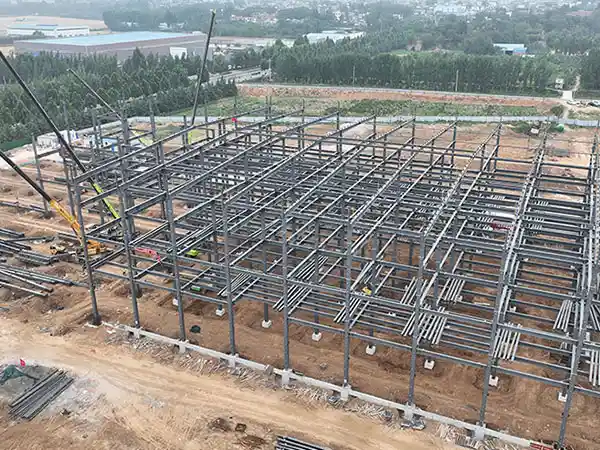
Prefab factory buildings reduce the number of sequential dependencies. Because structural components, wall panels, roof systems, and often integrated mechanical and electrical elements are produced in a factory setting, several workstreams can proceed at the same time. Site work and building fabrication overlap, which compresses the overall schedule.
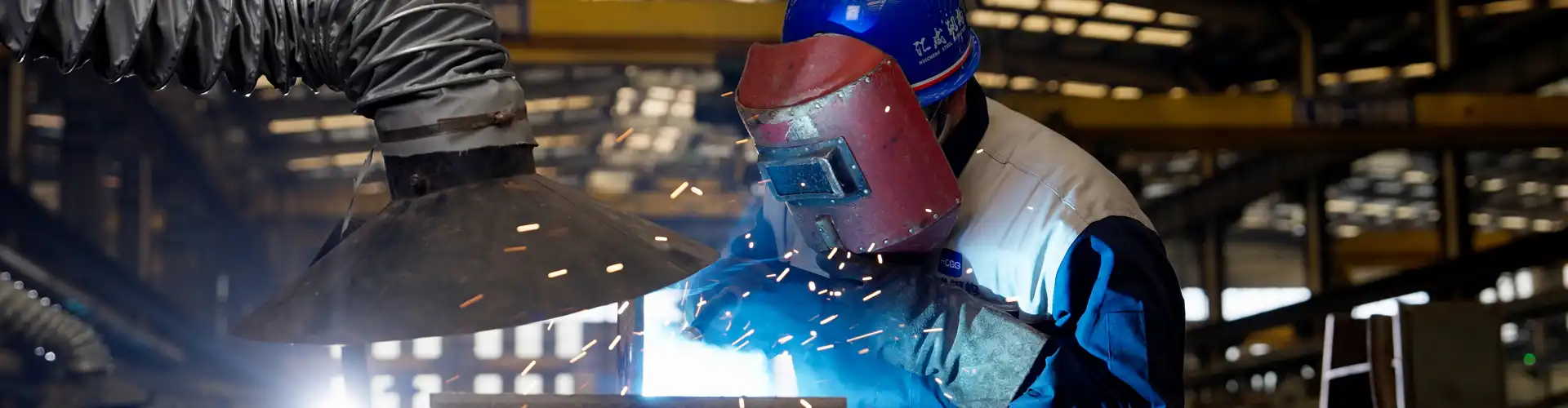
In a prefab production environment, weather is removed as a scheduling variable. Components are cut, welded, coated, and assembled indoors, following standardized procedures and quality checkpoints. This consistency means fewer on-site surprises, fewer rework cycles, and less idle time for installation crews.
The core advantage of prefabrication is parallelism. While foundation work is underway at the site, the building envelope, structural frames, and service modules are being manufactured elsewhere. When site conditions are ready, delivery and assembly can begin immediately rather than waiting for trades to complete earlier stages.
Prefab assembly typically requires fewer trades on site simultaneously, which lowers coordination complexity. A smaller, more focused installation crew can often complete the structural and envelope work faster than a full conventional build crew, because the components arrive dimensioned, labeled, and sequenced for assembly.
Prefabricated systems are designed around repeatable connection details. Bolt patterns, panel joints, and service penetrations follow established standards, which reduces the engineering time required on site and shortens the learning curve for installation teams.
The list below summarizes the practical differences that influence project timelines.
It is worth noting that prefabrication does not eliminate the need for careful planning. Permits, site utilities, and logistics still require attention. What prefabrication changes is the amount of work that must happen sequentially at the site, and that is where the schedule compression comes from.
Two prefab factory building projects of similar size can have noticeably different schedules. The variables below typically account for the difference.
Buyers who want a realistic schedule should ask suppliers to break the timeline into fabrication, delivery, and site assembly phases, with clear assumptions for each.
Fast setup should not come at the expense of structural integrity, fire performance, or long-term maintenance costs. A prefab factory building still has to meet local building codes, support production equipment loads, and handle ventilation, thermal, and acoustic requirements.
When evaluating a supplier, it is reasonable to ask for:
A supplier that can provide these documents quickly is usually also a supplier that can deliver a building quickly without cutting corners.
HCGG works with clients to align fabrication schedules with site readiness, so that delivery and assembly happen without idle gaps. The approach focuses on early scope definition, standardized structural and envelope systems, and clear documentation that supports permitting and inspection. For buyers evaluating prefab options, the practical question is not only how fast a building can be produced, but how reliably the delivery and installation phases can be coordinated with the rest of the project.
Timelines depend on size, complexity, and site conditions. Fabrication often runs in parallel with site preparation, and on-site assembly can be measured in weeks rather than months for many standard industrial configurations. A supplier should provide a phase-by-phase schedule for the specific project.
Yes, provided the structural system is specified for the intended loads. Crane loads, vibration, equipment anchoring, and floor loading capacity should be defined before fabrication begins.
Modular systems are generally designed for extension. Adding bays or additional modules typically follows the same connection and envelope logic, which simplifies future expansion compared with one-off conventional structures.
Foundations, access routes, unloading space, and utility connection points should be ready before components arrive. Coordination between the site contractor and the prefab supplier is essential to avoid demurrage and idle crews.
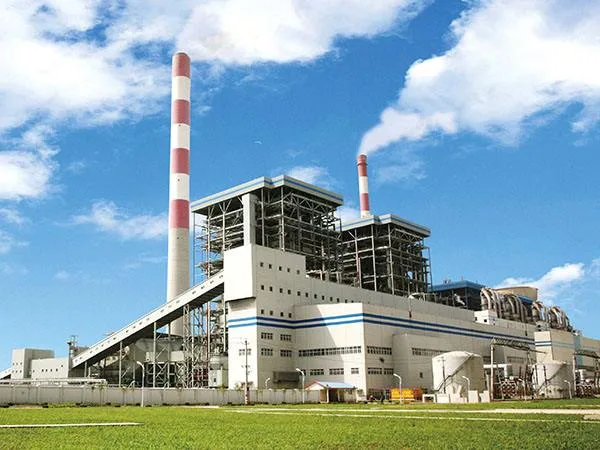
Prefab factory buildings offer a practical route to faster occupancy for manufacturers who cannot absorb long construction timelines. The speed advantage comes from parallel workstreams, controlled fabrication, and simplified site assembly. Buyers who define their scope early, verify supplier documentation, and coordinate site readiness carefully will get the most out of that advantage.
Fast Setup with Prefab Factory Buildings
2026-10-26Galvanized vs Painted Steel Structure: Which Anti-Corrosion Treatment Is Better?
2026-10-23Steel Factory Roofs: Choosing the Best Material for Your Climate
2026-10-19Smooth Shipment of Steel Structure Projects, Build Strength With Quality, Fulfill Commitments Through Reliable Delivery
2026-10-15Address: No.1 Shuangxiang Road, Luoxin Industrial Park, Luoyang City
E-mail: info@hcggsteel.com
Hotline: +8618800767079
Create the greatest value for customers
Provide the best quality products and services
+8618800767079
info@hcggsteel.com
No.1 Shuangxiang Road, Luoxin Industrial Park, Luoyang City