


Get a Quote
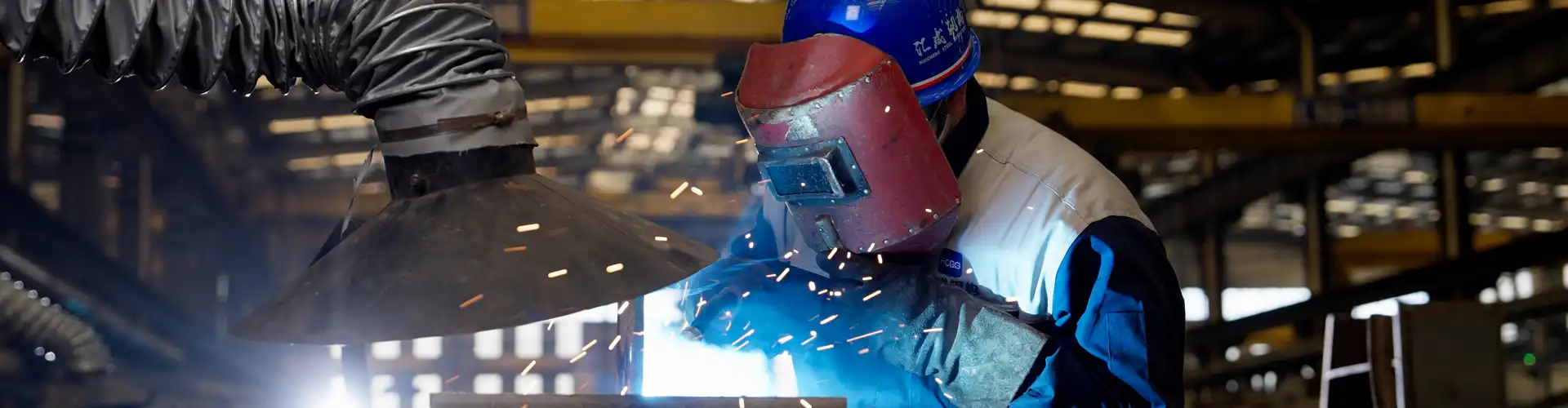
Steel structure factories are widely used for their strength, cost-efficiency, and speed of construction, but they present unique fire safety challenges that facility managers and owners cannot afford to overlook. Unlike concrete or masonry buildings, steel loses structural integrity at high temperatures—typically around 540°C (1000°F)—which can lead to rapid collapse if not properly protected. Understanding the specific fire risks, passive and active protection measures, and compliance standards is not just a regulatory requirement; it is a fundamental responsibility that safeguards lives, assets, and business continuity. This article provides a comprehensive overview of what you must know to ensure fire safety in your steel structure factory, with practical insights informed by HCGG’s extensive experience in industrial construction and safety solutions.
Steel offers excellent load-bearing capacity in normal conditions, but its behavior under fire exposure is markedly different. When heated, steel expands and loses yield strength, leading to structural deformation and potential collapse. The typical failure temperature for unprotected structural steel is around 540°C, while a standard fire can easily exceed 1000°C within minutes.
Passive fire protection (PFP) is the first line of defense, integrated into the building design to contain or slow the spread of fire without active operation. For steel structures, the most critical PFP elements include:
Intumescent coatings expand when exposed to heat, forming an insulating char layer that delays temperature rise in the steel. Alternatively, cementitious sprays provide a high-density barrier. The selection depends on fire rating requirements (e.g., 60, 90, or 120 minutes), environmental conditions, and aesthetic preferences. HCGG recommends selecting coatings tested to international standards such as BS 476 or EN 13381.
Dividing the factory into fire compartments using fire-resistant walls, doors, and dampers limits fire spread. Steel columns and beams penetrating compartments must be individually protected to maintain compartment integrity.
While passive measures buy time, active systems detect and suppress fires early. For steel structure factories, the following are essential:
Integrating these systems with a central monitoring station ensures rapid response. HCGG’s factory projects often incorporate addressable fire alarm panels that pinpoint the exact detector location.
Regulatory compliance varies by jurisdiction, but most countries require adherence to codes such as:
Beyond code compliance, a Fire Safety Management Plan must be documented, including emergency procedures, staff training, and regular drills. HCGG assists clients in conducting fire risk assessments tailored to their specific operations, ensuring all measures align with local fire authorities.
Fire protection systems are only effective if properly maintained. Common pitfalls include:
Establish a regular inspection schedule: monthly visual checks for obvious damage, annual full-system testing by certified professionals, and immediate repairs after any incident or modification to the structure. HCGG recommends documenting all inspections and keeping records for at least three years.
Fire safety in steel structure factories demands a holistic approach combining robust passive protection, reliable active systems, strict compliance, and ongoing maintenance. Neglecting any of these pillars can turn a manageable incident into a catastrophic loss. By partnering with an experienced provider like HCGG, factory owners can benefit from integrated design, material selection, and project management that prioritize safety without compromising efficiency. Remember: fire protection is not an expense—it is an investment in resilience.
How to Choose the Right Roof and Wall Panels for Steel Buildings
2026-09-30How Tall Can a Steel Structure Factory Safely Be?
2026-09-28Buying a Used Steel Factory Building: Pros and Cons
2026-09-21High-Rise Steel Framed International Hotel Project Advances with 108,477 m² Total Floor Area
2026-09-17Address: No.1 Shuangxiang Road, Luoxin Industrial Park, Luoyang City
E-mail: info@hcggsteel.com
Hotline: +8618800767079
Create the greatest value for customers
Provide the best quality products and services
+8618800767079
info@hcggsteel.com
No.1 Shuangxiang Road, Luoxin Industrial Park, Luoyang City