


Get a Quote
When planning a new industrial facility, the upfront price tag often dominates decision-making. Yet experienced project managers know that the true cost of a building extends far beyond the initial quote. Traditional construction methods carry a series of hidden expenses—from extended site preparation to unforeseen structural modifications—that can inflate budgets by 20% or more. Prefabricated steel factories, engineered and delivered by specialists like HCGG, eliminate many of these pitfalls. This article examines five critical hidden costs that are systematically avoided when choosing a prefabricated steel solution, providing a clear financial and operational rationale for your next investment.
One of the earliest hidden costs in traditional construction is the expense of preparing uneven or unstable land. Concrete buildings require extensive grading, soil compaction, and often deep pilings to achieve a stable foundation. These site-specific surprises can add weeks to the schedule and tens of thousands of dollars to the budget.
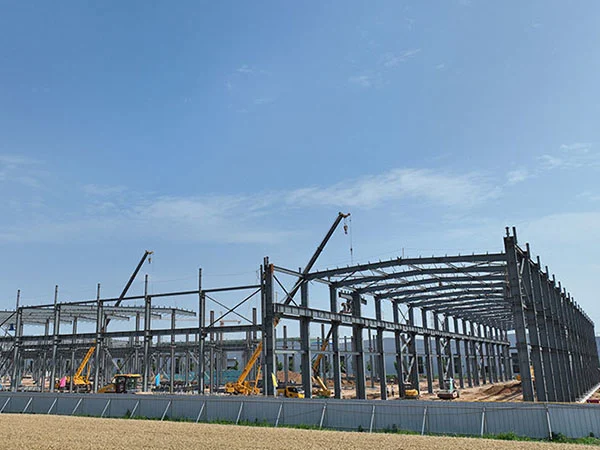
Prefabricated steel structures are significantly lighter than concrete alternatives. A typical steel frame weighs roughly 30% less than a comparable concrete structure, which translates to reduced foundation requirements. HCGG’s engineered steel buildings can often be erected on simpler, shallower foundations—even on moderately sloping terrain—without costly excavation or specialty soil treatment. The result is a predictable, fixed cost for site prep that rarely spirals out of control.
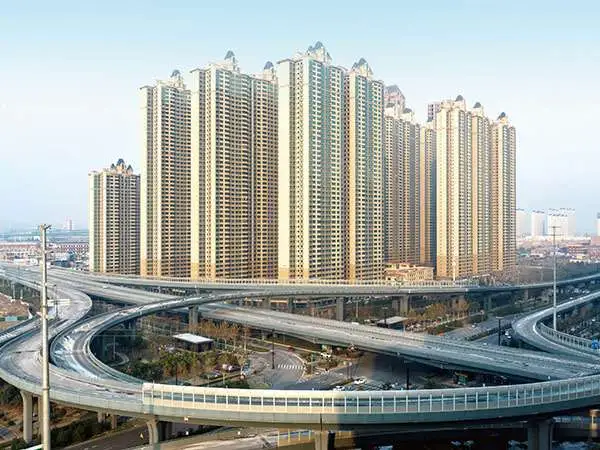
Traditional construction projects commonly face redesign costs when unexpected soil conditions, utility conflicts, or load-bearing issues arise. Each revision triggers additional engineering fees, permit delays, and material waste.
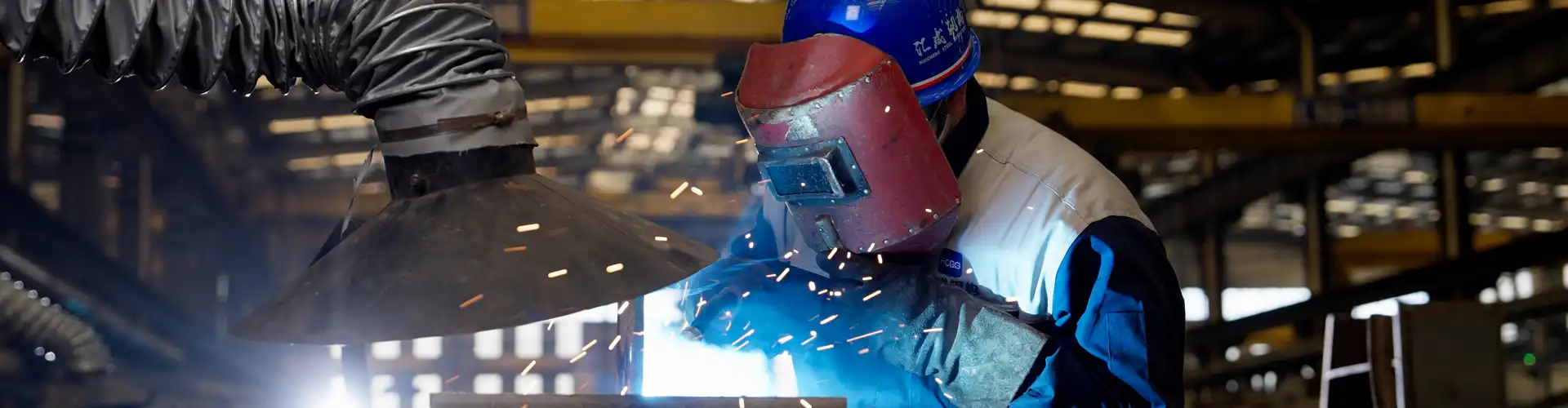
With prefabricated steel, every beam, column, and connection is designed and cut in a controlled factory environment using exact 3D modeling. HCGG’s team integrates foundation anchor plans with the steel superstructure before production begins. This eliminates on-site fitting problems. Field modifications drop by more than 80% compared to stick-built construction, and engineering change orders become rare. The budget you approve is the budget you keep.
Weather, skilled labor shortages, and subcontractor coordination frequently push traditional projects past their deadlines. Each day of delay carries carrying costs—loan interest, temporary facilities, lost production revenue—that are seldom factored into the initial estimate.
Prefabricated steel components arrive on-site ready for assembly. HCGG coordinates delivery to align with your construction schedule, eliminating idle time. The erection process requires fewer workers—often a crew of 10–15 instead of 40+—and can proceed in rain or light snow because connections are bolted, not poured. Total construction time is typically reduced by 30% to 50%, directly cutting labor costs and interim financing charges.
Traditional buildings often incur hidden operational costs through frequent repairs, corrosion, and high energy consumption. Concrete can crack, rot, and absorb moisture over time; wood is susceptible to pests and decay.
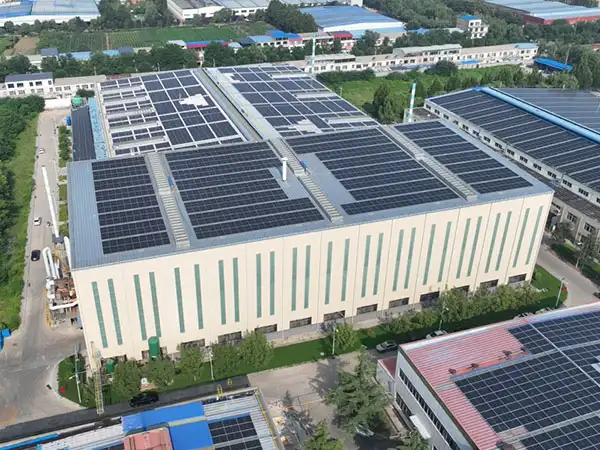
Galvanized or coated steel frames do not warp, rot, or attract termites. With proper insulation integrated into the panel system, steel buildings achieve superior thermal performance. HCGG offers factory-installed insulated panels that reduce heating and cooling costs by up to 25% compared to typical concrete block construction. Maintenance is limited to periodic inspections and roof care—no painting, no pest treatment, no mold remediation. Over a 20-year lifecycle, these savings can exceed the initial construction premium.
Navigating building codes, fire regulations, and insurance requirements can lead to unexpected expenses in conventional projects. Custom design solutions often require multiple plan revisions and specialty inspections.
Prefabricated steel systems are designed to meet international building codes from the outset. HCGG’s structures come with complete engineering calculations, fire-rating documentation, and wind/seismic load certifications. Insurers recognize the inherent fire resistance and structural reliability of steel, frequently offering premium reductions of 10%–15% compared to wood or unprotected steel alternatives. Permitting is streamlined because plans are pre-approved by the factory engineers—no back-and-forth with local authorities.
The five hidden costs detailed above—site preparation, foundation engineering, delays, maintenance, and compliance—represent real financial risks that traditional construction methods often overlook. By choosing a prefabricated steel solution from an experienced provider like HCGG, you convert these uncertainties into fixed, predictable expenses. The result is not only a lower total cost of ownership but also a faster, smoother path to operational startup. When evaluating your next factory project, consider not just the price tag but the costs that don’t appear on the invoice—and ask your builder how steel can help you avoid them.
High-Rise Steel Framed International Hotel Project Advances with 108,477 m² Total Floor Area
2026-09-17How to Design an Efficient Steel Structure Warehouse: 8 Key Factors Experienced Buyers Should Know
2026-09-14Comparing Steel Structure vs Precast Concrete for Factories
2026-09-14Temperature Control in Steel Factories: Insulation Options
2026-09-07Address: No.1 Shuangxiang Road, Luoxin Industrial Park, Luoyang City
E-mail: info@hcggsteel.com
Hotline: +8618800767079
Create the greatest value for customers
Provide the best quality products and services
+8618800767079
info@hcggsteel.com
No.1 Shuangxiang Road, Luoxin Industrial Park, Luoyang City