




Get a Quote
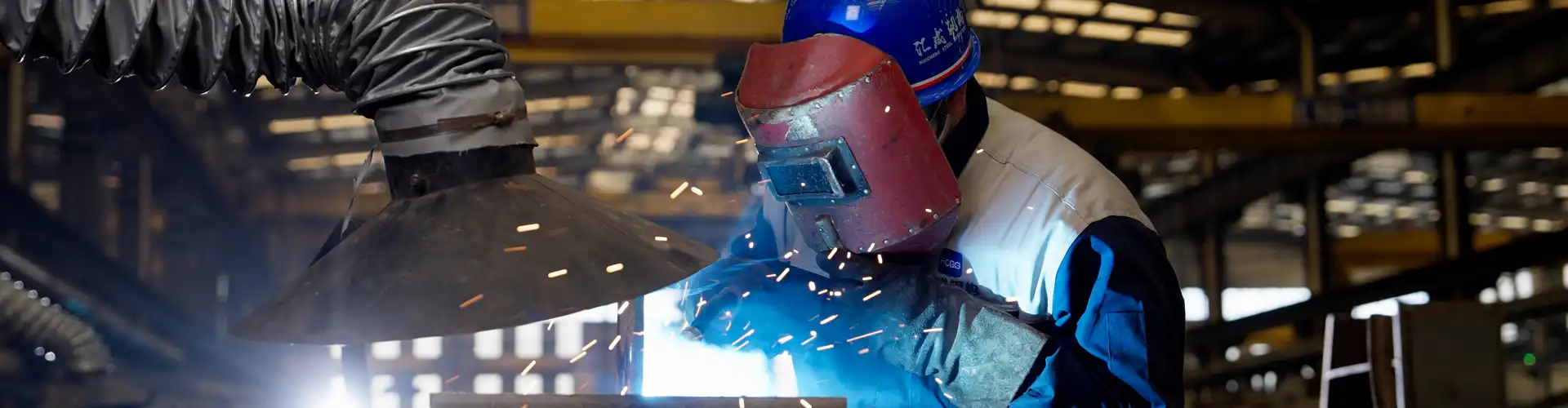
For any company planning to construct a factory, warehouse, processing workshop, or commercial facility, the durability of the building structure is a crucial factor that must be considered in advance. Compared to traditional concrete and brick structures, commercial steel structures are gradually becoming the mainstream choice in the global industrial and commercial sectors due to their advantages such as high strength, short construction time, strong scalability, and low maintenance costs.
However, the core concern for businesses remains:
"How many years can this steel structure building actually last? Is it worth the long-term investment?"
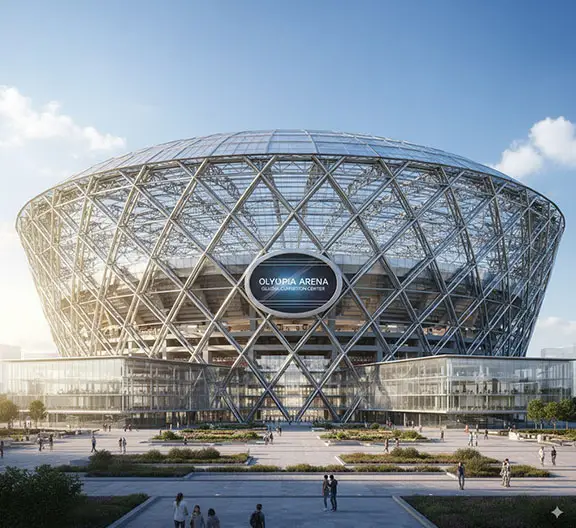
This article will provide a comprehensive understanding of the true lifespan of commercial steel structure buildings from multiple dimensions, including materials, design, environment, maintenance, construction quality, and practical applications, and how to ensure it serves the company's development for a longer period.
The durability of commercial steel structure buildings stems from the fact that their core structural system—including main beams, columns, purlins, and steel plates—is made of high-strength steel. Steel has stable mechanical properties and will not "breathe" or deform due to moisture like wood, nor will it experience severe cracking or brittleness under long-term loads.
Under normal use and maintenance conditions:
High-quality commercial steel structures can easily last 50–100 years or even longer.
Many countries use steel structures in industrial parks, aircraft hangars, power plants, agricultural warehouses, cold chain logistics centers, and supermarkets, and their durability has been proven over many years.
The lifespan of a steel structure is not a fixed number; it varies depending on the following factors:
2.1 Material Quality: The Foundation of Longevity
The lifespan of a building begins with the choice of materials.
Different qualities of steel vary significantly in corrosion resistance, fatigue resistance, and structural strength.
Common material choices that affect lifespan include:
Galvanized Steel
By coating the steel surface with a zinc layer to prevent oxidation and corrosion, it is ideal for environments with high humidity or those prone to rust.
Hot-Dip Galvanized Components
Offers superior corrosion resistance and is generally used in harsher environments such as coastal areas, chemical plants, ports, and livestock facilities.
Weathering Steel
Possesses a self-protective layer that gradually forms a stable rust layer in the air, reducing the need for maintenance.
High-Strength Structural Steel (H-Beams, Q355, Q460 Steel)
Capable of withstanding greater loads, suitable for large factories, heavy equipment workshops, and logistics centers.
Choosing high-quality materials can extend a building's lifespan by decades.
2.2 Environmental Conditions: A Critical Yet Often Overlooked Factor
The lifespan of the same building can vary drastically depending on the environment.
Coastal Areas: Severe Salt Spray Corrosion
Salt accelerates the corrosion rate of steel surfaces.
Double-layer anti-corrosion coating or hot-dip galvanized steel is recommended.
Tropical and Humid Environments: High Humidity, Rapid Corrosion
Improved ventilation and roof condensation prevention design are recommended.
Use coatings with higher anti-corrosion grades.
Desert and High-Temperature Regions: Strong Ultraviolet Radiation
Exterior wall coatings and roof panels need better UV resistance.
Cold Regions: Heavy Snow Loads
Steel grade must be selected based on local snow load and temperature differences.
Roof slope and drainage design are crucial.
Customized solutions for different climates during the design phase can significantly extend the structural lifespan.
2.3 Maintenance & Inspections: Small Effort, Big Impact
Steel structures have low maintenance costs, but this does not mean "zero maintenance."
Regular inspections can prevent small problems from escalating into major damage:
Key inspection items include:
Rock panels for looseness or leakage
Wall panels for impact deformation
Connectors and bolts for looseness
Steel column bases for corrosion
Drainage gutters for blockage
Sealing strips for aging
Excessive loads from equipment installation
A simple annual inspection can extend a building's lifespan by 10–20 years.
2.4 Engineering Design & Structural System Quality
High-quality engineering design determines a building's wind resistance, earthquake resistance, and load-bearing capacity.
Design factors affecting lifespan include:
The scientific validity of main structural load calculations
Whether roof and wall panels consider thermal expansion and contraction
Whether the foundation is designed according to soil properties
Whether future expansion space is reserved
Whether equipment hoisting and transportation loads are considered
Whether the connection methods used (bolted connections, welding, etc.) meet standards
Experienced engineers can prevent structural fatigue and early damage during the design phase.
2.5 Construction Quality: The “Invisible” Factor
Even the best design relies on professional construction to realize its potential.
Common problems during construction include:
Components not installed according to standards
Inconsistent welding quality
Bolts not tightened to the required preload
Inadequate waterproofing
Lack of critical details such as wind-resistant columns and horizontal supports
These can all affect the final durability of the building.
Choosing an experienced steel structure manufacturer and construction team will significantly extend the overall lifespan.
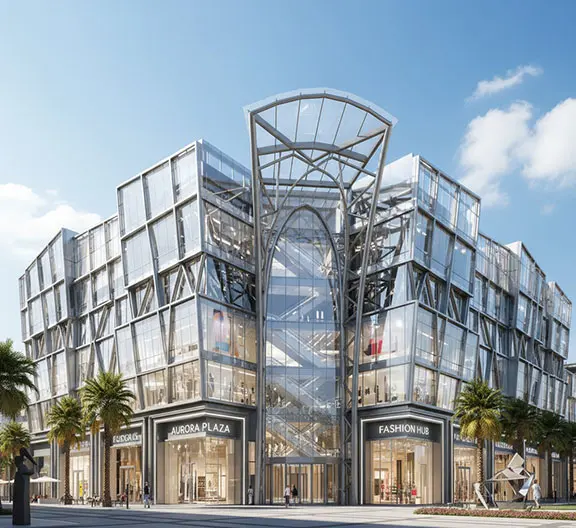
To give businesses a more intuitive understanding of the advantages of steel structures, a comparison is made with common building structures:
|
Building Structure |
Service Life |
Maintenance Costs |
Construction Speed |
Corrosion Resistant |
Seismic Performance |
|
Steel Structure |
50–100 years |
Low |
Fast |
High (Depending on the coating) |
Powerful |
|
Concrete Structure |
40–70 years |
Medium |
Slow |
Medium |
Excellent |
|
Brick Structure |
30–60 years |
Medium |
Slow |
Generally |
Generally |
|
Timber Structure |
20-40 years |
High |
Fast |
Weak |
Weak |
Aircraft Hangars: Many large airport steel-structured hangars have been in use for over 50 years and remain in stable condition.
Power Plant Buildings: Steel structures designed for high-temperature environments can last 60–80 years with regular maintenance.
Logistics Warehouses: Numerous steel-structured warehouses in Europe and America, built in the 1970s and 80s, are still in use today.
These examples demonstrate the long-term value and stable reliability of steel structures.
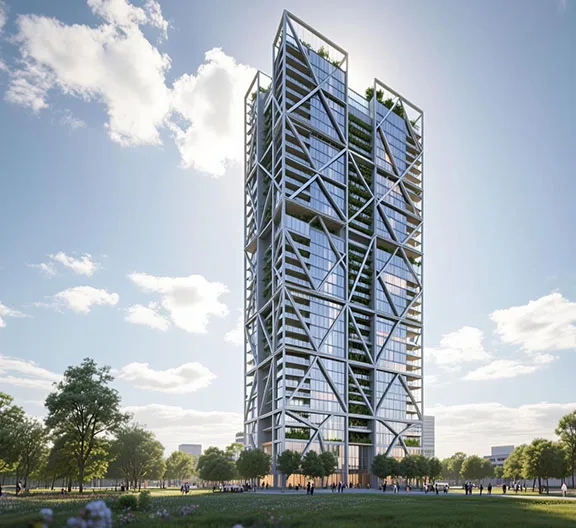
To ensure the long-term stability and reliability of your building, consider the following:
Design Phase
Choose a structure and coating suitable for the local climate.
Customize the design based on actual usage loads.
Plan for future expansion needs.
Materials Phase
Use galvanized or higher-grade corrosion-resistant steel.
Use a more durable coating for the roof.
Construction Phase
Follow standard welding and installation procedures.
Enhance waterproofing measures.
Conduct acceptance testing.
Usage Phase
Perform regular annual inspections.
Troubleshoot minor issues to prevent escalation.
Keep the drainage system clean.
Replace aging components promptly.
Good maintenance can easily extend a building's lifespan beyond 80 years.
From lifespan, disaster resistance, and safety to maintenance costs, commercial steel-framed buildings demonstrate comprehensive advantages far exceeding those of traditional buildings.
For businesses, it's not just a building, but a reliable platform for production and operations for decades to come.
Choosing the right materials, design, and construction teams, along with regular maintenance, can ensure your steel structure building lasts for more than half a century or even a generation.
Final Thoughts
Choosing a steel structure building means choosing a sustainable construction method.
Its long lifespan, scalability, and low maintenance costs provide businesses with stable and flexible growth opportunities.
Whether you're planning to build a new production line, expand warehousing capacity, or construct a large commercial space, a high-quality steel structure building will become part of your company's long-term assets, accompanying you through at least 50–100 years of development.
Address: No.1 Shuangxiang Road, Luoxin Industrial Park, Luoyang City
E-mail: info@hcggsteel.com
Hotline: +8618800767079
Create the greatest value for customers
Provide the best quality products and services
+8618800767079
info@hcggsteel.com
No.1 Shuangxiang Road, Luoxin Industrial Park, Luoyang City