English



Get a Quote
Earthquakes pose one of the greatest threats to industrial infrastructure, but modern engineering has evolved to meet that challenge head-on. For factory owners, understanding how a steel structure can be designed to withstand seismic forces is not just academic — it is a critical business decision that affects safety, operational continuity, and long-term costs. This article breaks down the core principles of earthquake-resistant steel factory design, from foundation to roof, with special focus on how HCGG integrates these concepts into practical, code-compliant solutions. Whether you are planning a new facility or retrofitting an existing one, the following engineering explanation will help you make informed choices.
Before diving into steel-specific details, it is essential to understand the three pillars of earthquake-resistant design: ductility, energy dissipation, and redundancy. A structure must be able to deform without collapsing (ductility), absorb and dissipate the energy from ground shaking, and have multiple load paths so that if one component fails, others take over. Steel, with its high strength-to-weight ratio and inherent ductility, is an excellent material for meeting these requirements. However, simply using steel is not enough — the configuration of frames, bracing, and connections determines true seismic performance.
Ductility allows a steel frame to undergo large plastic deformations while still carrying load. In earthquake engineering, this is achieved through careful detailing: beams are designed to yield before columns, connections are reinforced to prevent brittle fracture, and the overall structure is tuned to avoid resonance with expected ground motions. HCGG engineers calculate the ductility demand based on site-specific seismic hazard data and then proportion members accordingly, ensuring that the factory remains stable even after multiple significant aftershocks.
Beyond basic ductility, advanced factories incorporate dedicated energy dissipation devices. These can include buckling-restrained braces, viscous dampers, or base isolators. For example, base isolation places the entire factory on flexible bearings that decouple the building from ground motion, drastically reducing forces transmitted upward. HCGG has extensive experience integrating such systems into steel factory designs, tailoring the solution to local soil conditions and project budget.
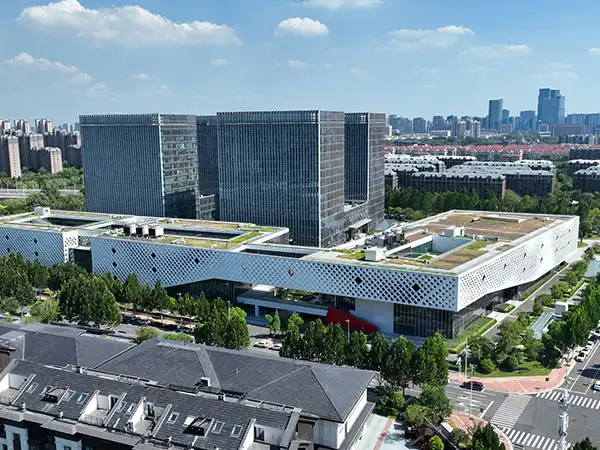
To translate principles into reality, specific structural components must be optimized. The following elements are critical for any seismic steel factory:
Choosing the right engineering partner is as important as the design itself. HCGG has a proven track record of delivering earthquake-resistant steel factories that meet international standards such as ASCE 7, Eurocode 8, and local building codes. The company’s approach combines advanced computational modeling with decades of field experience. Below are the key advantages that set HCGG apart:
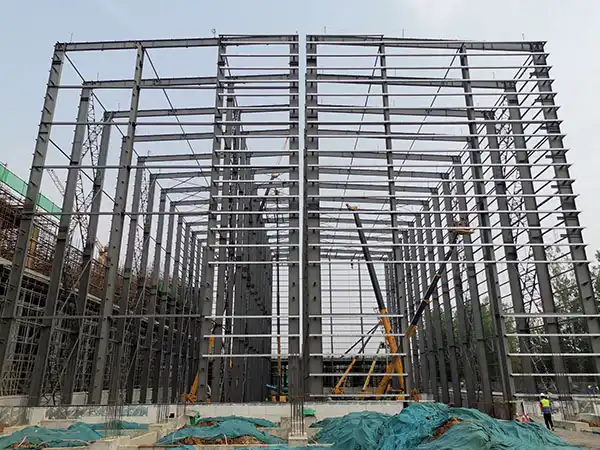
Every earthquake-resistant steel factory designed by HCGG complies with relevant international standards. For projects in high-seismic zones like the Pacific Rim or the Mediterranean, HCGG often follows the AISC Seismic Provisions (ANSI/AISC 341) or EN 1998-1. Certification of the steel fabrication shop (e.g., AISC Certification or ISO 3834) adds an extra layer of confidence. HCGG maintains these certifications and actively participates in industry research to stay ahead of evolving code requirements.
Q: Is a steel factory inherently earthquake resistant?
A: Steel has excellent ductility, but without proper engineering (detailing, connections, foundation), it can still fail. HCGG ensures every aspect is engineered for seismic loads.
Q: How much extra cost is involved in seismic design?
A: The premium varies by location and performance target. Typically, a well-designed seismic steel factory adds 5–15% to structural costs, but this is far less than the cost of post-earthquake repair or business interruption. HCGG provides detailed cost-benefit analysis during early design.
Q: Can an existing steel building be retrofitted for earthquakes?
A: Yes. HCGG offers retrofit solutions including adding braces, dampers, or base isolation. Every retrofit is customized based on the existing structure’s condition and the desired seismic performance.
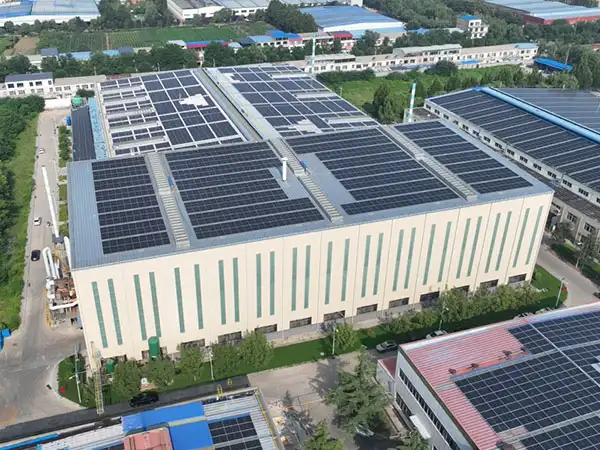
Earthquake-resistant steel factories are not built by accident — they are the result of rigorous engineering, thoughtful material selection, and precise construction. From the fundamental principles of ductility and energy dissipation to the specific detailing of connections and foundations, every decision matters. HCGG stands as a trusted partner for clients who demand safety, reliability, and cost-effectiveness in seismic regions. By combining deep technical expertise with a commitment to quality, HCGG delivers steel factories that protect lives, investments, and production continuity. For your next industrial project, rely on engineering that is built to withstand the unexpected.
Address: No.1 Shuangxiang Road, Luoxin Industrial Park, Luoyang City
E-mail: info@hcggsteel.com
Hotline: +8618800767079
Create the greatest value for customers
Provide the best quality products and services
+8618800767079
info@hcggsteel.com
No.1 Shuangxiang Road, Luoxin Industrial Park, Luoyang City