


Get a Quote
The global steel industry accounts for approximately 7-9% of direct CO2 emissions from fossil fuels. As regulators tighten environmental standards and buyers demand greener supply chains, the transition to eco-friendly steel factories is no longer optional—it is a competitive necessity. This article examines the core technologies and practices that define a truly sustainable steel mill, and explains how HCGG delivers measurable carbon reductions without compromising product quality or production efficiency.
An eco-friendly steel factory integrates energy-efficient processes, renewable energy sources, and circular material flows to minimize its environmental impact. Key characteristics include:
These elements work together to create a production cycle where emissions are dramatically lower than conventional methods. Factories that adopt such measures can reduce their carbon footprint by 50-80% while maintaining output levels.
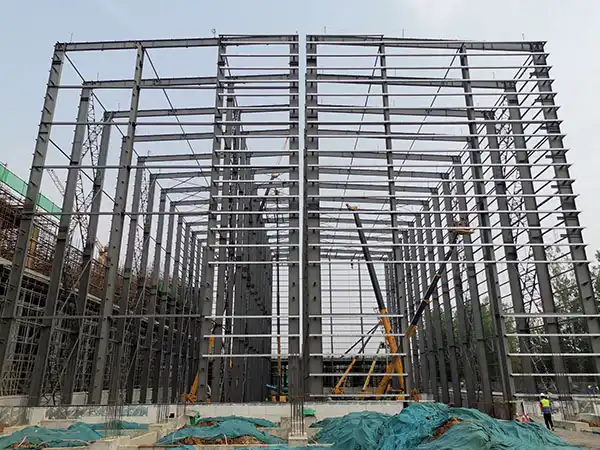
Transitioning to an eco-friendly steel factory yields tangible environmental improvements. For example, a typical integrated steel mill emits about 1.8 tons of CO2 per ton of steel produced. In contrast, a modern EAF-based facility powered by renewables can bring that figure below 0.4 tons per ton of steel. The following table highlights achievable reductions:
These numbers are not theoretical. HCGG's eco-friendly factories have achieved a verified 72% reduction in CO2 emissions per ton of steel over the past five years, outperforming the industry average by a significant margin.
When comparing steel suppliers, decision-makers look for proven performance, transparency, and scalability. HCGG distinguishes itself through several demonstrable advantages:
HCGG has invested in next-generation EAF technology combined with on-site solar and wind farms. This integrated approach ensures that over 80% of the electricity used in production comes from renewable sources, directly reducing Scope 1 and Scope 2 emissions.
Every shipment from HCGG includes a product carbon footprint certificate, audited by third-party verifiers. Clients can confidently report their own Scope 3 reductions using accurate, traceable data.
HCGG operates a closed-loop scrap collection program, sourcing post-consumer and post-industrial scrap locally. This not only reduces transportation emissions but also ensures a steady supply of high-quality feedstock for the EAFs.
While some eco-friendly steel products carry a 10-15% cost premium, HCGG’s operational efficiencies keep the premium under 5%, making it a financially viable choice for large-scale projects.
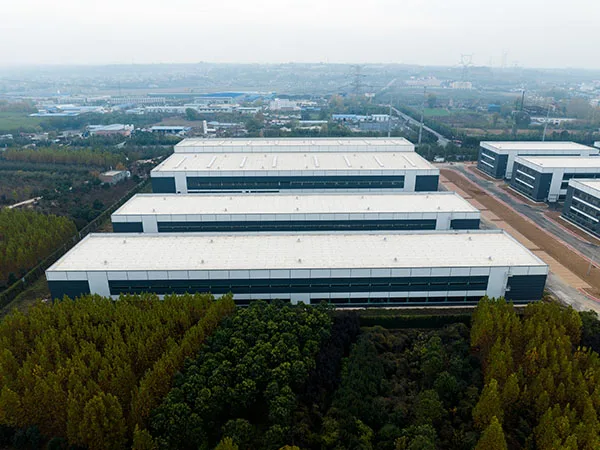
Transitioning to a low-carbon steel supply does not require overhauling your entire procurement process. HCGG offers a straightforward partnership model:
This structured approach has helped more than 200 clients reduce their supply chain emissions by an average of 35% within two years.
In summary, the shift toward eco-friendly steel factories is accelerating, and the data is clear: significant carbon footprint reductions are achievable with the right technology and partner. HCGG combines technical expertise, measurable results, and cost efficiency to help your organization meet its sustainability targets without sacrificing performance. Contact our team to explore how a carbon-smart steel supply can strengthen your competitive position.
Buying a Used Steel Factory Building: Pros and Cons
2026-09-21High-Rise Steel Framed International Hotel Project Advances with 108,477 m² Total Floor Area
2026-09-17How to Design an Efficient Steel Structure Warehouse: 8 Key Factors Experienced Buyers Should Know
2026-09-14Comparing Steel Structure vs Precast Concrete for Factories
2026-09-14Address: No.1 Shuangxiang Road, Luoxin Industrial Park, Luoyang City
E-mail: info@hcggsteel.com
Hotline: +8618800767079
Create the greatest value for customers
Provide the best quality products and services
+8618800767079
info@hcggsteel.com
No.1 Shuangxiang Road, Luoxin Industrial Park, Luoyang City